


Short Summary (Excerpt): A guided food tour can help travelers experience a destination through local flavors, neighborhood stories, and authentic cultural moments from the very first day. This guide explains how to choose the right guided food tour, what to expect, how to book smartly, and why combining it with a pre-booked airport transfer can make your arrival smoother and your trip more memorable.
Guided Food Tour: How to Book the Right One for Your Trip
A guided food tour is one of the best ways to understand a destination beyond its landmarks, because local dishes often reveal the history, rhythm, and personality of a city faster than any checklist of monuments. Instead of guessing where to eat, what to try, or which neighborhood offers the most authentic experience, travelers can use a guided food tour to discover local specialties with structure, context, and confidence.
Moreover, food tours work well for many travel styles. Solo travelers often join them for an easy social experience. Couples use them for a memorable first evening. Families appreciate the mix of sightseeing and tasting. In addition, first-time visitors benefit from having a local guide explain customs, ingredients, and dining etiquette in a relaxed setting.
However, not every food tour delivers the same value. Some focus on street food. Others center on history, markets, desserts, or regional dishes. Because of this, it helps to understand how a guided food tour works, how to choose one that fits your travel goals, and why timing matters when you build your itinerary.
What Is a Guided Food Tour?
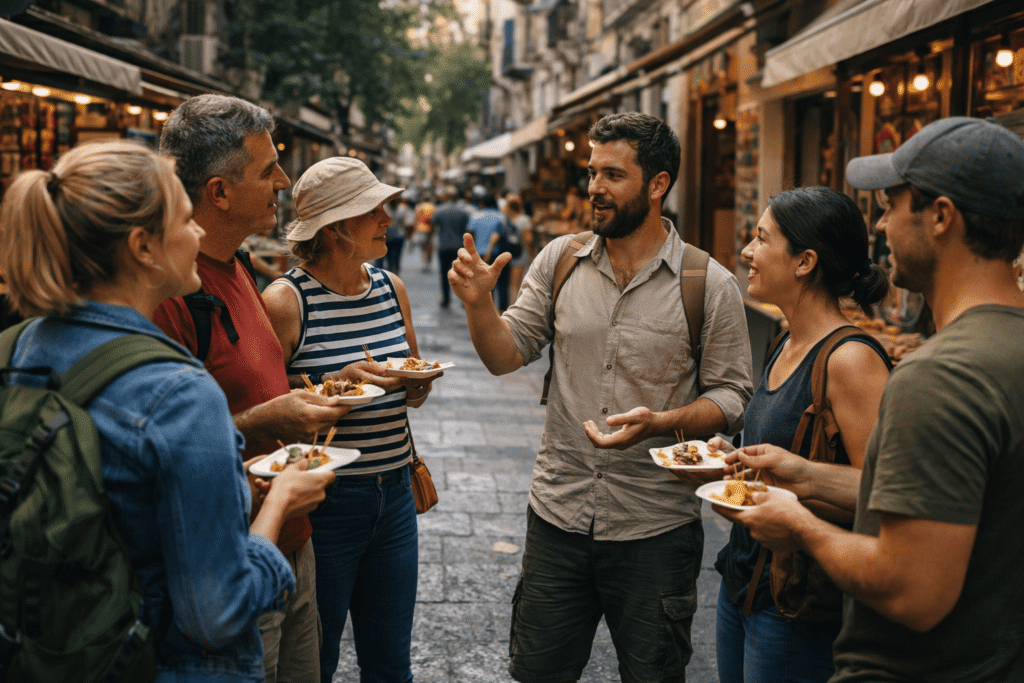
A guided food tour is a structured local experience where a guide leads travelers through selected restaurants, markets, bakeries, food stalls, cafés, or neighborhood food spots while explaining the cultural meaning behind what they taste. In other words, it combines eating, walking, storytelling, and destination insight in one experience.
Unlike dining independently, a food tour usually removes the uncertainty of choosing where to go and what to order. That matters in a new city. Travelers often worry about wasting a meal on tourist-focused spots or missing the dishes locals actually value. Therefore, a well-designed guided food tour can shorten the learning curve and make the destination feel more accessible right away.
Some tours focus on a specific theme, such as seafood, sweets, wine pairings, historic taverns, or neighborhood street food. Others offer a broad introduction to a city’s culinary identity. As a result, travelers can choose an experience based on appetite, schedule, budget, and depth of cultural interest.
How a Guided Food Tour Usually Works
Most food tours begin at a central meeting point in a neighborhood known for local cuisine. Then, the group walks to several stops over two to four hours. At each stop, the guide introduces a dish, explains ingredients or traditions, and gives useful context about the area. Sometimes drinks are included. Sometimes the focus stays entirely on food.
Furthermore, the pacing is usually designed to balance walking and tasting. That makes the experience feel natural rather than rushed. In many cities, guides also share practical tips between stops, including dining customs, local ordering habits, tipping expectations, and recommendations for the rest of your stay.
Why Travelers Book a Guided Food Tour
Many travelers book a guided food tour because food creates a more immediate connection to place than traditional sightseeing alone. You can admire a building in ten seconds. You can photograph a famous square in one minute. Yet tasting a local dish while hearing the story behind it creates a stronger memory. Consequently, food tours often become one of the most talked-about moments of a trip.
In addition, a food tour reduces planning stress. Arrival days and early trip days can feel mentally crowded. You are learning the city, checking maps, managing bookings, and trying not to make poor choices in unfamiliar areas. Because of this, a guided food tour gives travelers a ready-made experience with both emotional ease and cultural value.
Another major reason is trust. Local guides usually know which places maintain quality, which dishes represent the city honestly, and which areas reward visitors who want something more authentic. Therefore, instead of relying on random online lists, travelers can experience the destination through a more grounded local lens.
Why a Guided Food Tour Works So Well Early in a Trip
A guided food tour often works best on the first or second day of a trip. First, it introduces you to the local flavor profile early. Then, it gives you restaurant ideas, neighborhood confidence, and a better sense of what to eat for the rest of the stay. In other words, one good tour can improve many later meals.
Most importantly, it pairs naturally with a smooth arrival plan. When travelers arrange a pre-booked airport transfer before landing, they remove the stress of navigating transport after arrival. Then, when they schedule a food tour early in the trip, they begin exploring with structure instead of uncertainty. That combination creates a calmer and more rewarding start.
Types of Guided Food Tour Experiences
Not every guided food tour feels the same. In fact, the format shapes the experience more than many travelers realize. Some tours emphasize classic local dishes. Others prioritize markets, hidden spots, or trendy neighborhoods. Because of this, choosing the right format matters almost as much as choosing the right city.
Street Food Tours
Street food tours focus on quick, flavorful local bites served from stalls, stands, or humble storefronts. They often feel energetic and informal. Moreover, they work especially well in cities where street cuisine is central to daily life, such as Bangkok, Mexico City, Istanbul, Singapore, or Hanoi.
These tours usually deliver strong flavor variety in a short time. They also expose travelers to food customs they might not discover alone. As a result, they are often ideal for curious eaters who enjoy casual settings and bold tastes.
Market and Neighborhood Food Tours
Market-based experiences center on fresh produce, local vendors, ingredient traditions, and neighborhood culture. A guided food tour of this type usually provides stronger social and cultural context, because the guide can explain how residents shop, cook, and build meals at home.
These tours are often excellent for travelers who want to understand daily life rather than only eat famous dishes. Furthermore, market tours can reveal how history, immigration, seasonality, and local agriculture shape the destination’s food identity.
Dessert, Wine, or Specialty Food Tours
Some travelers prefer a narrower theme. For example, one guided food tour may focus on pastries and coffee, while another may explore cheese, wine, tapas, seafood, or regional snacks. These specialty formats are especially useful for repeat visitors who want depth instead of a broad introduction.
Likewise, they can work well for travelers with a strong personal interest in a particular food culture. A pastry-focused afternoon in Lisbon or a wine-and-small-plates evening in Barcelona creates a different mood from a general city tasting route.
How to Choose the Right Guided Food Tour
Choosing the right guided food tour begins with knowing your own travel priorities. Do you want a broad overview of local cuisine, or do you want a niche theme? Are you hoping to explore a historic district, a local market, or a nightlife area? Do you prefer a small group or a more social group setting? These answers will narrow your options quickly.
In addition, think about timing. Daytime tours often focus more on markets, bakeries, and neighborhood orientation. Evening tours may feel more atmospheric and social. Therefore, the best choice depends not only on food style but also on the rhythm you want for that day of your trip.
Reviews matter as well. Look for comments about food quality, portion size, pacing, guide knowledge, and whether the tour felt authentic rather than heavily commercial. Furthermore, strong reviews often mention whether the guide adapted well to group energy and questions. That detail usually says a lot about the real experience.
What to Check Before Booking a Guided Food Tour
- Number of tasting stops and approximate portion size.
- Group size and overall pace.
- Walking distance and terrain.
- Dietary accommodation details.
- Neighborhood covered by the route.
- Daytime or evening format.
- Included drinks or extras.
- Cancellation policy and mobile ticket acceptance.
Best Destinations for a Guided Food Tour
Some destinations naturally stand out for a guided food tour because the local cuisine is deeply tied to neighborhood identity, tradition, and street life. In these places, eating is not just a practical activity. It is part of how the city introduces itself.
- Tokyo: ideal for travelers interested in precision, seasonality, and neighborhood-level food culture.
- Bangkok: a strong choice for street food, bold flavors, and fast-paced local dining traditions.
- Mexico City: excellent for tacos, markets, regional influences, and layered culinary history.
- Istanbul: rich in sweets, breads, tea culture, grilled specialties, and market energy.
- Barcelona: great for tapas, market food, Catalan identity, and relaxed social eating.
- Naples: famous for pizza, street snacks, pastries, and intensely local food pride.
- Lisbon: rewarding for pastry lovers, seafood fans, and travelers interested in neighborhood dining culture.
However, large famous cities are not the only good candidates. Smaller destinations can also offer extraordinary tastings when the guide has strong local access and the route feels rooted in the neighborhood. Therefore, focus on tour quality, not only city reputation.
Guided Food Tour vs Eating on Your Own
Eating independently offers freedom, and many travelers enjoy that flexibility. Yet a guided food tour solves problems that solo restaurant research often cannot. First, it saves time. Then, it reduces the chance of choosing places that look appealing online but feel generic in person.
A tour also provides context. You are not only tasting food. You are learning why a dish matters, how it changed over time, and when locals actually eat it. In contrast, eating on your own can still be enjoyable but may remain more surface-level unless you already know the culture well.
As a result, many travelers use both approaches. They book one guided food tour early in the trip to gain orientation and confidence, then use the guide’s recommendations to shape later independent meals. That strategy often delivers the strongest balance of structure and freedom.
How to Book a Guided Food Tour Before You Travel
Booking a guided food tour before your trip usually leads to better timing, less stress, and a more organized arrival plan. Popular tours in strong culinary destinations can fill up quickly, especially for evenings and weekends. Therefore, waiting until you arrive may limit your options more than expected.
Pre-booking also helps you align the tour with your hotel area, arrival day, and other sightseeing plans. If you already know when you will land and where you will stay, you can choose a tour that fits your energy level and schedule more intelligently. In addition, many travelers prefer mobile confirmation because it keeps logistics simple.
If you want to connect tasting experiences with the rest of your city planning, Airports2Hotel also helps travelers explore tours and attractions before departure. That makes it easier to organize experiences in a more connected way instead of treating every booking as a separate decision.
Why a Guided Food Tour Pairs Well with an Airport Transfer
A guided food tour pairs naturally with a pre-booked airport transfer because both services reduce uncertainty at different moments of the trip. The transfer solves the arrival problem. The tour solves the first-exploration problem. Together, they create a smoother path from landing to experiencing the city in a meaningful way.
This matters because first impressions shape travel satisfaction. If you land tired, struggle with transport, and then guess your way through the first meals, the trip begins with friction. In contrast, when you book your private transfer in advance and plan a thoughtful food experience soon after arrival, the destination starts to feel manageable and welcoming.
That is also why many travelers build a connected plan through Airports2Hotel. You can arrange your airport transfer, review flights and hotels, and explore travel experiences in one workflow. Consequently, each step of the trip supports the next one instead of creating fresh decisions under pressure.
Practical Tips for Enjoying a Guided Food Tour
Even the best guided food tour feels better when you approach it with the right expectations. First, arrive hungry, but not overly hungry. You want space to enjoy multiple stops without rushing the first bite. Then, wear comfortable shoes, because many tours cover more ground than travelers expect.
It also helps to avoid making a large restaurant reservation immediately before or after the tour. Portion sizes vary. Some experiences feel like a full meal, while others feel like progressive tasting sessions. Furthermore, keeping your schedule flexible allows you to enjoy spontaneous recommendations from the guide afterward.
Finally, ask questions. Learn what locals eat on ordinary weekdays. Find out which dishes are seasonal. You can also ask where residents go with friends instead of visitors. Those answers often become the most valuable part of the entire experience.
- Wear comfortable walking shoes.
- Bring water, especially in warm weather.
- Check dietary restrictions in advance.
- Arrive on time so you do not miss the introduction.
- Keep your next meal flexible.
- Take notes on favorite neighborhoods and recommendations.
- Use the tour as a launch point for later dining choices.
Is a Guided Food Tour Worth It?
A guided food tour is often worth booking when you want more than a list of places to eat. It offers structure, local explanation, neighborhood context, and the confidence to engage with a destination more deeply. While it may not replace every meal decision, it can improve the quality of many later choices during the trip.
According to UN Tourism, local culture and meaningful visitor experiences remain central to how destinations create lasting travel value. Food fits that idea perfectly. When travelers understand a place through what people cook, share, and celebrate, the destination often becomes more memorable and more human.
If you want a trip that feels organized from the moment you land to the moment you start exploring, it also helps to connect your planning decisions. For more ideas, you can explore Airports2Hotel’s Destinos imperdíveis, Dicas e recomendações, and broader travel planning resources before you go.
Ready to Discover a City Through Its Flavors?
Ready to make your journey easier? Plan a smoother arrival by booking your airport transfer and exploring destination experiences through Airports2Hotel before your trip begins. You can also follow fresh travel inspiration on Instagram and Facebook. If you want help planning a food experience and arrival that work well together, send a message on WhatsApp or email Support@airports2hotel.com for quick support.