

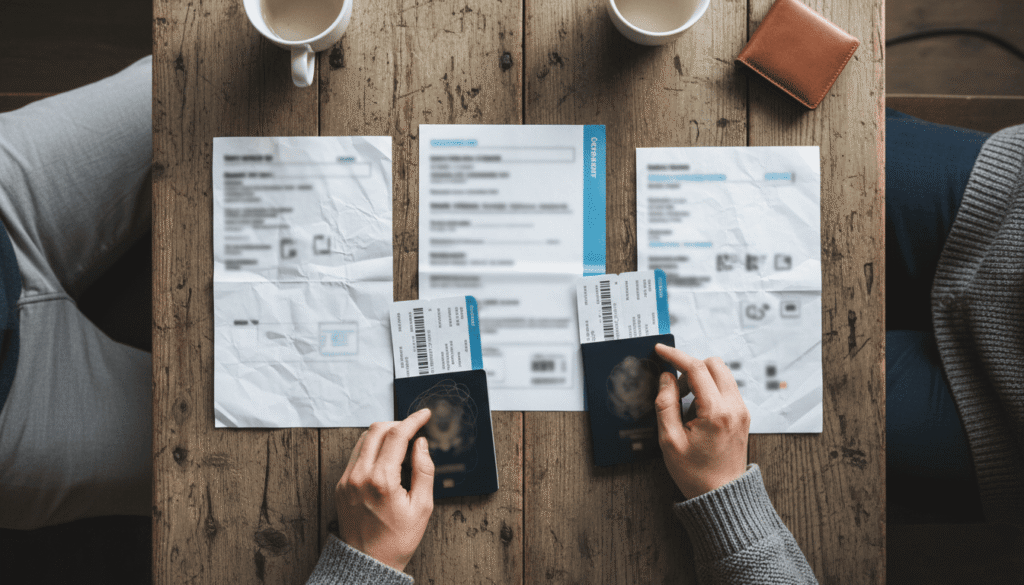
Having the right international travel documents is the single most important step you can take before leaving home. No matter how well you plan your flights, hotels, or transfers, missing a single document can stop your entire trip before it starts. Customs officers, airline staff, and border agents have one job: verify that every traveler carries the correct paperwork. Therefore, preparation is not optional — it is essential.
However, the list of required documents varies depending on your destination, nationality, and purpose of travel. Furthermore, requirements change regularly — visa policies shift, health documentation rules evolve, and entry conditions can update with little notice. This complete checklist helps you organize every document you need, understand why each one matters, and arrive at every checkpoint with total confidence.
Why International Travel Documents Matter More Than Ever
International travel has never been more accessible — but it has also never been more document-intensive. Airlines, immigration authorities, and destination countries now require multiple layers of verification before allowing entry. As a result, travelers who arrive unprepared face delays, fines, denied boarding, or even deportation.
Moreover, the consequences of missing documents extend beyond inconvenience. A denied boarding at departure means losing non-refundable hotel bookings, tours, and connecting flights. In contrast, travelers who arrive fully prepared move through every checkpoint smoothly — from check-in to customs to their final destination.
Preparation also reduces anxiety. Knowing that every document is in order allows you to focus on the experience ahead rather than worrying about what might go wrong at the gate.
The Core International Travel Documents Every Traveler Needs
Regardless of destination, most international travelers need the same foundational set of international travel documents. Start with these essentials and then add destination-specific requirements on top.
1. Valid Passport
Your passport is the most fundamental international travel document you carry. Without it, you cannot board an international flight or cross a border. However, simply having a passport is not enough — it must also be valid for a sufficient period beyond your travel dates.
Most countries require your passport to be valid for at least six months beyond your planned departure date. Therefore, check your expiration date well in advance — ideally three to six months before your trip. Renewing a passport takes time, and expedited services are not always available in every country.
In addition, check that your passport has enough blank pages. Many countries require at least one or two blank pages for entry and exit stamps. A full passport can result in denied entry even if it is otherwise valid.
2. Visa or Entry Authorization
Visa requirements depend entirely on your nationality and destination. Some countries allow visa-free entry for certain passport holders. Others require a visa obtained in advance through an embassy or consulate. Furthermore, many destinations now offer electronic travel authorizations — digital pre-approvals required before boarding your flight.
Examples include the United States ESTA, Canada’s eTA, the European Union’s ETIAS (launching in 2025), and Australia’s ETA. Importantly, these are not visas — they are separate requirements that exist alongside visa-free agreements. Missing one can result in denied boarding even if you are technically visa-exempt.
Always verify visa requirements through the official embassy or consulate website of your destination country. Third-party sites sometimes provide outdated or inaccurate information. Consequently, relying on unofficial sources is a common and costly mistake.
3. Return or Onward Ticket
Many countries require proof that you intend to leave before granting entry. As a result, immigration officers frequently ask to see a return flight or an onward ticket to a third country. Travelers who cannot produce this proof may face questioning, delays, or denial of entry.
This requirement applies even to visa-free travelers. Therefore, always carry a printed or digital copy of your return ticket alongside your other travel documents. If your plans are genuinely open-ended, consider purchasing a refundable onward ticket specifically for this purpose.
4. Travel Insurance Documentation
Travel insurance is mandatory for entry into several countries — including all Schengen Area nations in Europe. Even where it is not legally required, it is strongly advisable for every international trip. Medical emergencies abroad can cost tens of thousands of dollars without coverage.
Your insurance documentation should clearly state the coverage period, the covered countries, and the minimum medical coverage amount. In addition, keep both a digital and a printed copy accessible throughout your trip — not buried deep in your luggage.
5. Accommodation Proof
Immigration officers frequently ask where you plan to stay. Hotel booking confirmations, rental agreements, or a host invitation letter all serve as valid accommodation proof. Furthermore, having these documents ready speeds up the immigration process significantly.
Print your hotel confirmation or save it offline on your phone before departure. At busy international airports, internet access in immigration queues is not always reliable — and an officer waiting while you search your email creates unnecessary friction.
Additional International Travel Documents by Situation
Beyond the core documents, certain travelers need additional paperwork depending on their specific situation. Checking which of these apply to your trip is a critical part of complete travel preparation.
Traveling with Children
Families traveling internationally with children face additional document requirements — particularly when one parent travels alone with a child or when children carry a different surname. Many countries require a notarized consent letter from the absent parent, authorizing international travel.
In addition, always carry original birth certificates for children under 18, especially when crossing borders between countries with different family law regulations. Some destinations also require custody documentation in cases of divorced or separated parents.
Traveling for Medical Purposes
Travelers who carry prescription medications internationally must carry supporting documentation. A letter from your doctor, written on official letterhead, should list each medication, the dosage, and the medical reason for its use. Furthermore, medications should travel in their original labeled packaging whenever possible.
Certain medications legal in your home country may be controlled or prohibited at your destination. Therefore, always verify the legal status of your medications in every country you plan to visit or transit through — not just your final destination.
Business Travelers
Business travelers often need additional documentation beyond standard tourist requirements. Invitation letters from host companies, conference registration confirmations, and business visa paperwork all fall into this category. Moreover, some countries distinguish strictly between tourist and business entry — arriving on a tourist visa while conducting business activities can result in serious legal consequences.
If you travel frequently for work, consider keeping a dedicated travel document folder — physical or digital — that contains your standard business travel paperwork, ready to update for each trip.
Driving Abroad
Travelers who plan to rent a car or drive at their destination need more than just a passport. Most countries require an International Driving Permit (IDP) alongside your national driving license. The IDP translates your license into multiple languages and serves as a universally recognized document for vehicle operation.
In addition, if you plan to rent a car, carry your credit card in the name of the primary driver — most rental companies require it for the security deposit. For detailed guidance on renting vehicles abroad, the Driving Abroad Tips guide covers everything you need to know before getting behind the wheel in a foreign country.
Digital vs. Physical Copies: What You Actually Need
The debate between digital and physical document copies is ongoing among frequent travelers. In practice, the safest approach combines both formats. Each offers advantages and covers for the weaknesses of the other.
When Physical Copies Are Essential
Physical copies remain essential for immigration and customs processes. Officers routinely request printed documentation, and presenting a phone screen is not always accepted — particularly in countries with strict entry protocols. Furthermore, a dead phone battery or a lost device can make digital-only travelers completely vulnerable.
Always print copies of your passport bio page, visa, travel insurance policy, hotel confirmation, and return ticket. Keep one set on your person and store a second set separately in your checked luggage or with a travel companion.
When Digital Copies Save the Day
Digital copies provide instant backup when physical documents are lost or stolen. Store encrypted copies of all your international travel documents in a secure cloud service — accessible from any device, anywhere in the world. Additionally, email copies to yourself and to a trusted contact at home before you depart.
Some airports and airlines now accept digital boarding passes and travel authorizations. However, always verify this with your specific airline and destination before relying solely on digital formats.
Common Document Mistakes That Derail International Trips
Even experienced travelers make document mistakes. Understanding the most common errors helps you build a checklist that prevents every one of them.
- Expired passport: The most common and most avoidable mistake. Check your expiration date the moment you book your flights — not the week before departure.
- Missing visa or travel authorization: Visa-free does not mean authorization-free. Many countries require electronic pre-approvals that travelers overlook entirely.
- Name mismatches: Your passport name must match your flight ticket exactly. Even minor discrepancies — a middle name included on one but not the other — can cause boarding issues.
- Forgetting transit visa requirements: Layovers in certain countries require transit visas even if you never leave the airport. Always check transit requirements for every country on your itinerary.
- No copies of key documents: Losing your passport abroad without any copy dramatically complicates the replacement process. Always travel with copies stored separately from the originals.
- Outdated vaccination records: Some destinations require proof of specific vaccinations — particularly yellow fever certificates for travelers arriving from certain regions. Verify health entry requirements well in advance.
How to Organize Your International Travel Documents
Organization is just as important as having the right documents. A well-structured document system means you can access anything you need quickly — at check-in, at immigration, or in an emergency.
Use a Travel Document Organizer
A dedicated travel document organizer — a slim folder or wallet with labeled sections — keeps everything in one place. Organize documents in the order you will need them: boarding pass first, then passport, then visa documentation, then hotel confirmation. This simple system eliminates frantic searching at busy checkpoints.
Build a Pre-Departure Checklist
Create a personal checklist tailored to each specific trip. Start with the universal documents and then add destination-specific requirements. Review the list 30 days before departure, then again one week before, and finally on the day you pack. This three-stage review process catches oversights that a single last-minute check routinely misses.
Register with Your Embassy
Many countries offer traveler registration programs that allow citizens to notify their embassy of international travel plans. In the event of a lost passport, civil emergency, or natural disaster, registration ensures your embassy can locate and assist you quickly. Furthermore, it provides access to emergency alerts and updates relevant to your destination.
Planning Your Arrival After the Documents Are Ready
Once your international travel documents are fully organized, the next critical step is planning your arrival at the destination. Clearing customs and immigration — especially at major international airports — can take anywhere from 30 minutes to two hours depending on the volume of arriving flights. Therefore, your ground transportation plan needs to account for this reality.
Pre-booking your airport transfer is the smartest move you can make once your documents are confirmed. At Airports2Hotel, drivers monitor your flight in real time and adjust automatically for delays — meaning your transfer is always ready when you exit arrivals, regardless of how long customs takes. Moreover, the Airport to Hotel Transfer guide explains exactly what to expect during this final stage of your journey, helping you transition from the airport to your accommodation as smoothly as possible.
For authoritative and up-to-date information on entry requirements, visa policies, and health documentation for international travel, the IATA Travel Centre is one of the most reliable resources available to travelers worldwide — used by airlines and travel professionals to verify passenger documentation requirements in real time.
Your International Travel Document Checklist: Quick Reference
Use this quick-reference checklist before every international trip. Add destination-specific items as needed for each journey.
- Valid passport — minimum six months validity beyond return date
- Visa or electronic travel authorization — verified through official embassy source
- Return or onward ticket — printed or saved offline
- Travel insurance policy — with coverage dates and amounts clearly stated
- Hotel or accommodation confirmation — printed and saved offline
- International Driving Permit — if renting a car or driving abroad
- Vaccination certificates — if required by destination country
- Prescription medication letter — from your doctor, on official letterhead
- Child travel consent letter — if traveling with a child without both parents
- Emergency contact list — including embassy contact and travel insurance hotline
- Copies of all documents — physical set and encrypted digital backup
- Airport transfer confirmation — booking reference and driver contact details
Ready to Make Your Journey Easier?
Ready to make your journey easier? Once your international travel documents are in order, let Airports2Hotel handle the rest. Book your airport transfer at airports2hotel.com and arrive at your destination with a verified driver waiting — no stress, no surprises. Have questions before you book? Reach us instantly on WhatsApp, send us an email at Support@airports2hotel.com, or follow us on Instagram and Facebook for travel tips, destination guides, and updates to help you plan smarter every step of the way.