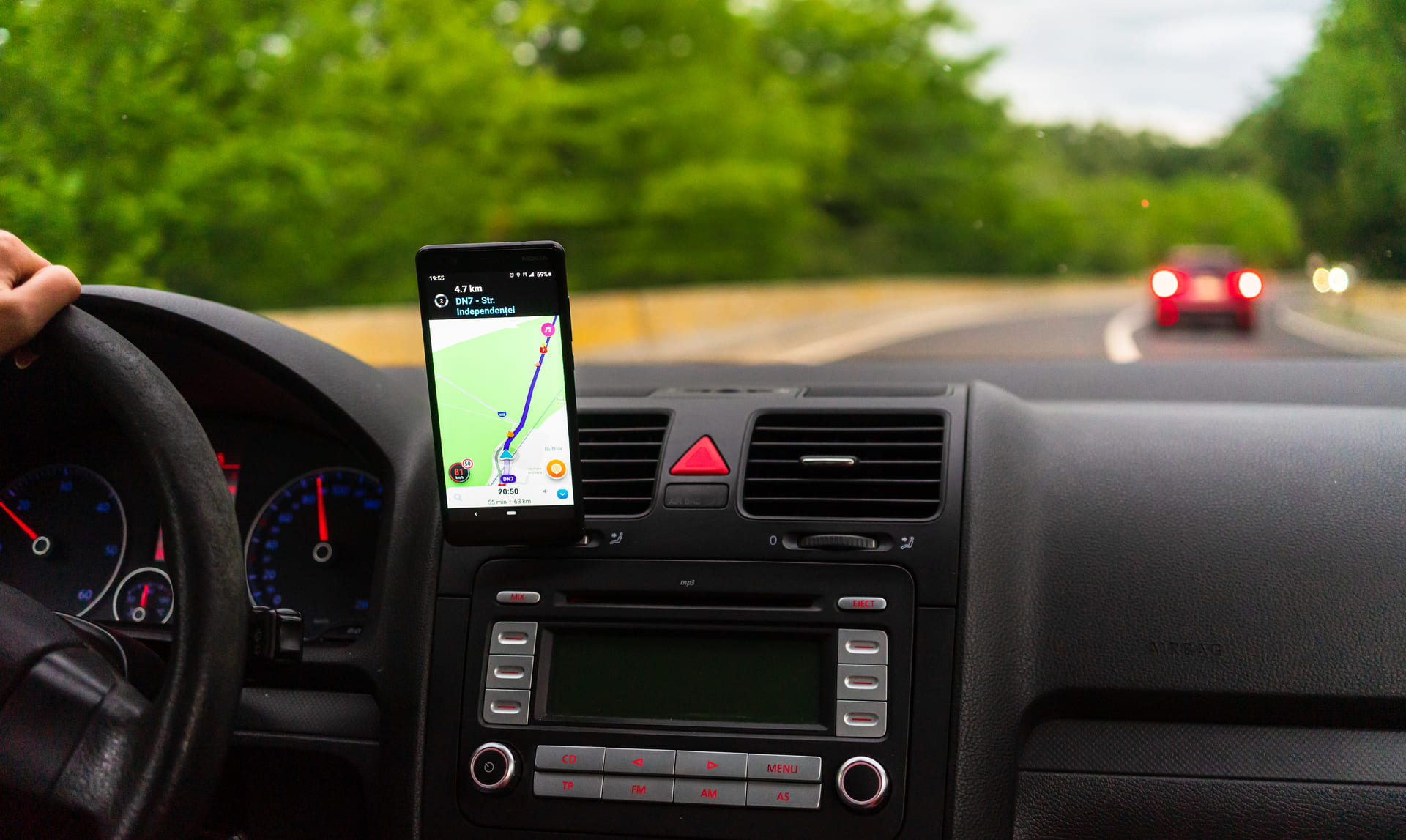

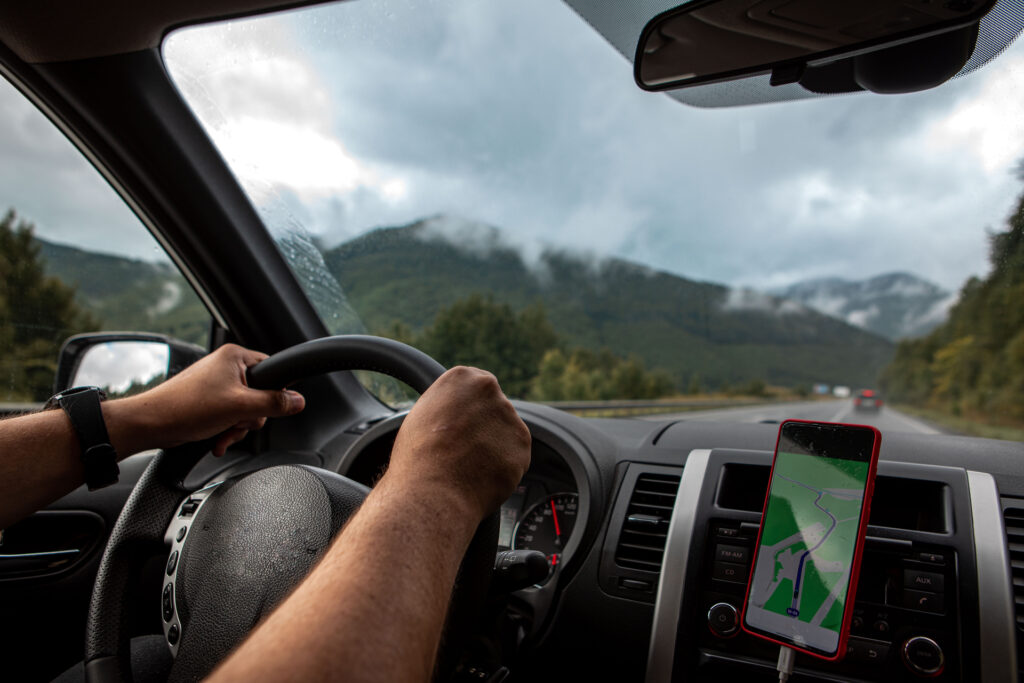
Driving in another country can be both exciting and challenging at the same time. For many travelers, renting a car abroad represents freedom, flexibility, and access to destinations that public transportation cannot easily reach. However, without proper preparation, this experience can quickly become stressful. That is precisely why understanding essential Driving Abroad Tips before picking up a rental car is so important.
Because traffic laws, driving habits, and road conditions vary widely from country to country, preparation makes a significant difference. By learning how international driving works in advance, travelers reduce risks, avoid fines, and enjoy a smoother journey from start to finish.
Why Preparation Matters When Driving Abroad
Many travelers assume that driving overseas will feel similar to driving at home. In reality, even small differences can cause confusion or mistakes. Therefore, preparing properly helps travelers stay confident and in control.
Most importantly, preparation allows travelers to:
- Avoid unexpected traffic violations
- Reduce accident risks
- Save money on fines and insurance issues
- Navigate unfamiliar roads with confidence
- Communicate better with rental companies
As a result, the overall travel experience becomes safer, calmer, and far more enjoyable.
Documents You Need Before Driving Abroad
Before starting any international road trip, travelers must confirm they have the correct documentation. Without it, rental companies may refuse service or local authorities may issue fines.
Valid Driver’s License
In most countries, a valid driver’s license from your home country is required. However, acceptance rules vary.
International Driving Permit (IDP)
In many destinations, an IDP is mandatory. Even when not legally required, rental agencies often request it.
Passport and Visa
Since rental companies need to verify identity, passports are usually required.
Credit Card
Almost all rental agencies require a credit card for deposits and security holds.
By confirming these documents in advance, travelers avoid unnecessary delays.
Understanding Local Traffic Laws
Traffic laws change significantly across borders. For this reason, one of the most valuable Driving Abroad Tips is researching local regulations ahead of time.
Speed Limits
Speed limits may change frequently and are often enforced by automated cameras.
Driving Side
In some countries, vehicles drive on the left side of the road. Adjusting to this requires extra focus.
Alcohol Regulations
Many countries enforce stricter alcohol limits than travelers expect.
Seatbelt and Child Seat Rules
These laws vary and are strictly enforced in many regions.
Because ignorance is not accepted as an excuse, understanding these rules is essential.
Road Signs and Markings May Differ
Road signs are not universal. Consequently, travelers should familiarize themselves with local symbols before driving.
In many countries:
- Colors indicate different warnings
- Symbols replace written text
- Lane markings follow unique rules
- Right-of-way laws differ
As a result, studying common signs helps drivers react correctly and avoid confusion.
Choosing the Right Rental Car for International Driving
Selecting the appropriate vehicle significantly improves the driving experience abroad.
Compact Cars
These vehicles work well in cities with narrow streets and limited parking.
Sedans
Sedans provide comfort and stability for longer highway drives.
SUVs
SUVs are ideal for rural roads, mountains, or destinations with uneven terrain.
Automatic vs. Manual
In many regions, manual transmissions are more common. Therefore, travelers who prefer automatic cars should reserve early.
Choosing wisely ensures comfort, safety, and confidence on the road.
Rental Insurance Explained Simply
Insurance is often the most confusing aspect of driving internationally. Nevertheless, understanding coverage options is critical.
Basic Coverage
Usually included, but often with high deductibles.
Collision Damage Waiver (CDW)
This reduces financial responsibility in case of damage.
Theft Protection
Especially important in high-risk areas.
Credit Card Coverage
Some credit cards provide insurance, although restrictions apply.
Reading insurance terms carefully prevents unpleasant surprises later.
Navigation and GPS Tips for Driving Abroad
Navigation challenges are common when driving in unfamiliar countries. Therefore, preparation is key.
First, downloading offline maps helps avoid data issues.
Additionally, travelers should be aware that GPS apps may not reflect local restrictions accurately.
Finally, restricted zones and toll roads often require special permits or payments.
By planning navigation carefully, drivers avoid unnecessary detours and penalties.
Driving Etiquette and Local Habits
Driving culture differs significantly across countries. Understanding local habits helps drivers adapt more quickly.
For example:
- Honking may be common in some regions
- Lane discipline varies
- Pedestrian priority laws differ
- Aggressive driving styles may be normal
Observing local drivers and staying patient makes adaptation easier.
Fuel Rules and Refueling Tips
Fuel systems vary internationally, which can surprise travelers.
In many destinations:
- Diesel and gasoline nozzles differ
- Fuel names may change
- Full-service stations still exist
- Rental agreements require full-to-full returns
Knowing these details helps avoid costly refueling mistakes.
Parking Rules Are Often Strict
Parking regulations abroad can be complex. Because enforcement is often strict, travelers should pay close attention.
Common issues include:
- Color-coded curb rules
- Permit-only zones
- Paid parking areas
- Aggressive towing policies
Understanding parking signs saves both time and money.
Common Mistakes to Avoid When Driving Abroad
Many travelers repeat the same errors. Fortunately, these mistakes are easy to avoid.
Most common issues include:
- Ignoring local speed limits
- Skipping insurance details
- Driving without an IDP
- Underestimating road conditions
- Relying only on GPS
Avoiding these problems leads to safer and smoother trips.
When Driving Abroad Is Not the Best Option
In some situations, renting a car may not be ideal.
For instance:
- Dense city centers
- Short stays
- Strong public transportation networks
- Late-night arrivals after long flights
In these cases, airport transfers may offer greater convenience.
Internal Link
For more transportation planning advice, visit the Airports2Hotel FAQ page:
https://airports2hotel.com/faq
External Link
For international road safety guidance, visit:
https://www.unece.org
Conclusion
Following practical Driving Abroad Tips allows travelers to explore new destinations safely and confidently. By understanding traffic laws, insurance rules, navigation tools, and local driving habits, international driving becomes far less intimidating.
With proper preparation and awareness, driving abroad transforms from a challenge into a valuable and enjoyable part of the travel experience.