


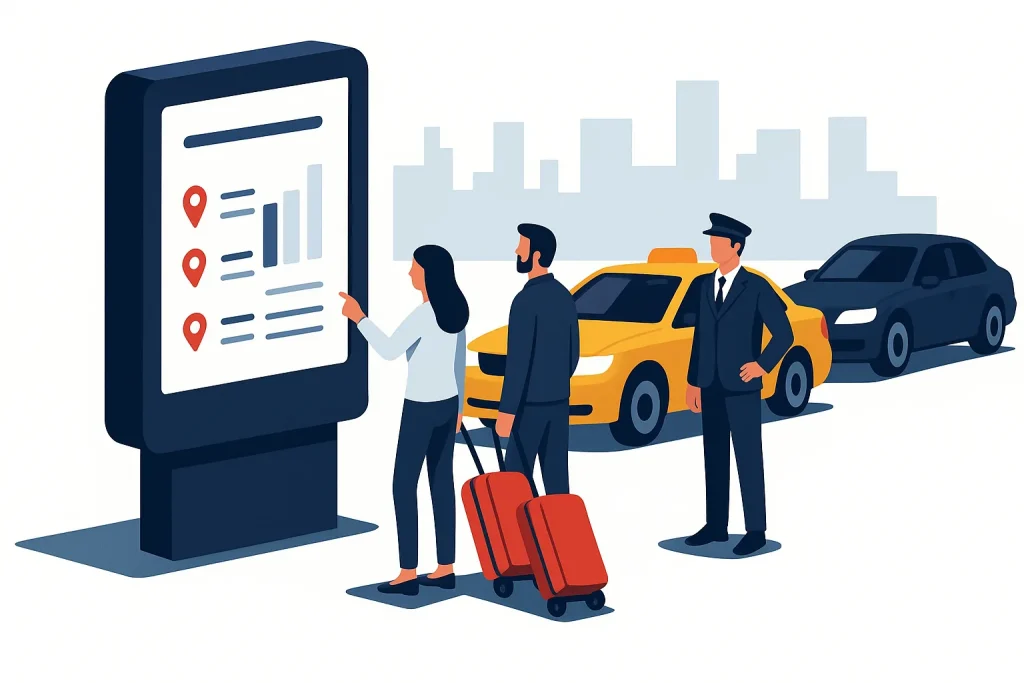
Taxi from JFK to Manhattan cost is a common question for travelers arriving in New York. If you want to decide between a yellow cab, a rideshare, a private transfer, or public transit, you need to understand the fare structure, tolls, traffic windows, luggage and accessibility considerations, and when a private transfer makes more sense for groups or business trips.
Taxi from JFK to Manhattan cost
In practical planning, the headline phrase “Taxi from JFK to Manhattan cost” sums up what travelers search for before they land. This section breaks down the elements that compose a taxi trip price, why meter-based charges differ from regulated flat fares, and how additional factors like tolls, time of day, and traffic conditions change what you actually pay at the end of the ride.
Fare components that determine what you pay
A taxi fare is rarely a single figure you can assume in advance. Instead, it’s a sum of components: a base rate or regulated flat fare (when applicable), metered distance and time charges, airport surcharges, applicable tolls for bridges and tunnels, and any additional fees for extra passengers, heavy or bulk luggage, or credit card processing. Understanding each piece helps you compare options responsibly.
Fixed fares vs. metered rides
Some airport-to-downtown trips are governed by a fixed fare set by local regulators; others rely on the meter. When a fixed fare applies, it simplifies budgeting, but you still need to factor in tolls and surcharges. Metered rides can be lower during off-peak traffic but more expensive in heavy congestion. The decision between a fixed-fare offer (including many prebooked private transfers) and a metered taxi depends on your tolerance for traffic risk and preference for upfront certainty.
Typical route and time considerations for the JFK to Manhattan run
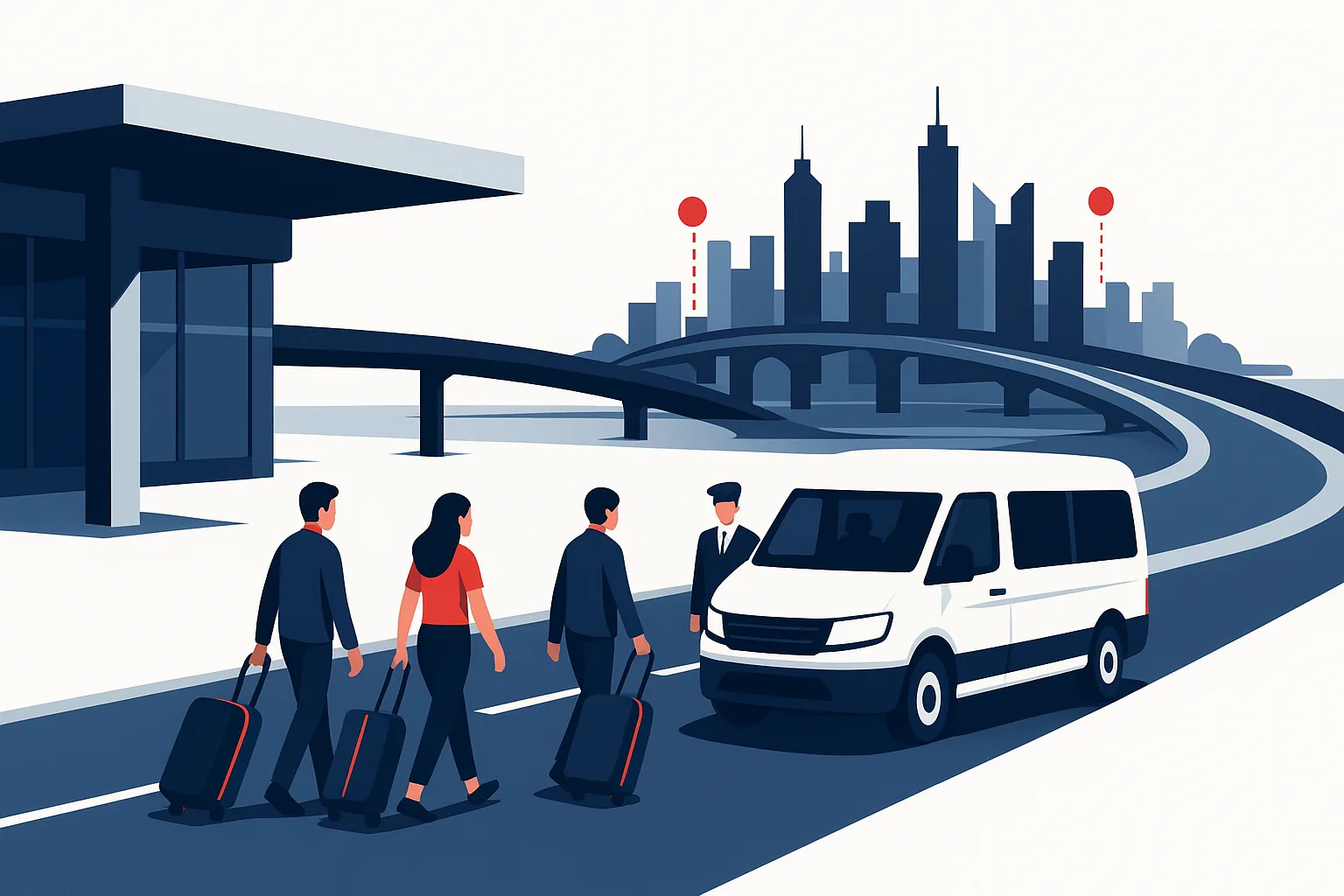
The route from JFK Airport to Manhattan typically crosses one of several major bridges or tunnels and then enters Manhattan’s grid. Which crossing the driver chooses affects tolls and travel time; peak-hour volumes can dramatically slow travel, especially into Midtown. Plan arrival times and ground logistics with traffic windows in mind: early mornings and late nights usually move faster than mid-morning and late-afternoon rush hours.
If you are traveling during events, holidays, or weekday peak times, allow extra time for the journey and consider the value of a fixed-price prebooked transfer to avoid meter surprises. For business travelers with time-sensitive commitments, the trade-off between paying for certainty and risking a metered delay is a practical decision to make before arrival.
How luggage, parties, and special needs affect the route
Large suitcases, sports equipment, or a group of passengers change vehicle choice. Taxis may handle regular luggage but could charge for excess or need a larger vehicle. Prebooked private transfers allow you to request extra luggage space or child seats in advance. If you have mobility needs, reserve a vehicle with appropriate accessibility rather than relying on a curbside taxi without guarantees.
Comparing taxi, rideshare, shuttle, and private transfer options
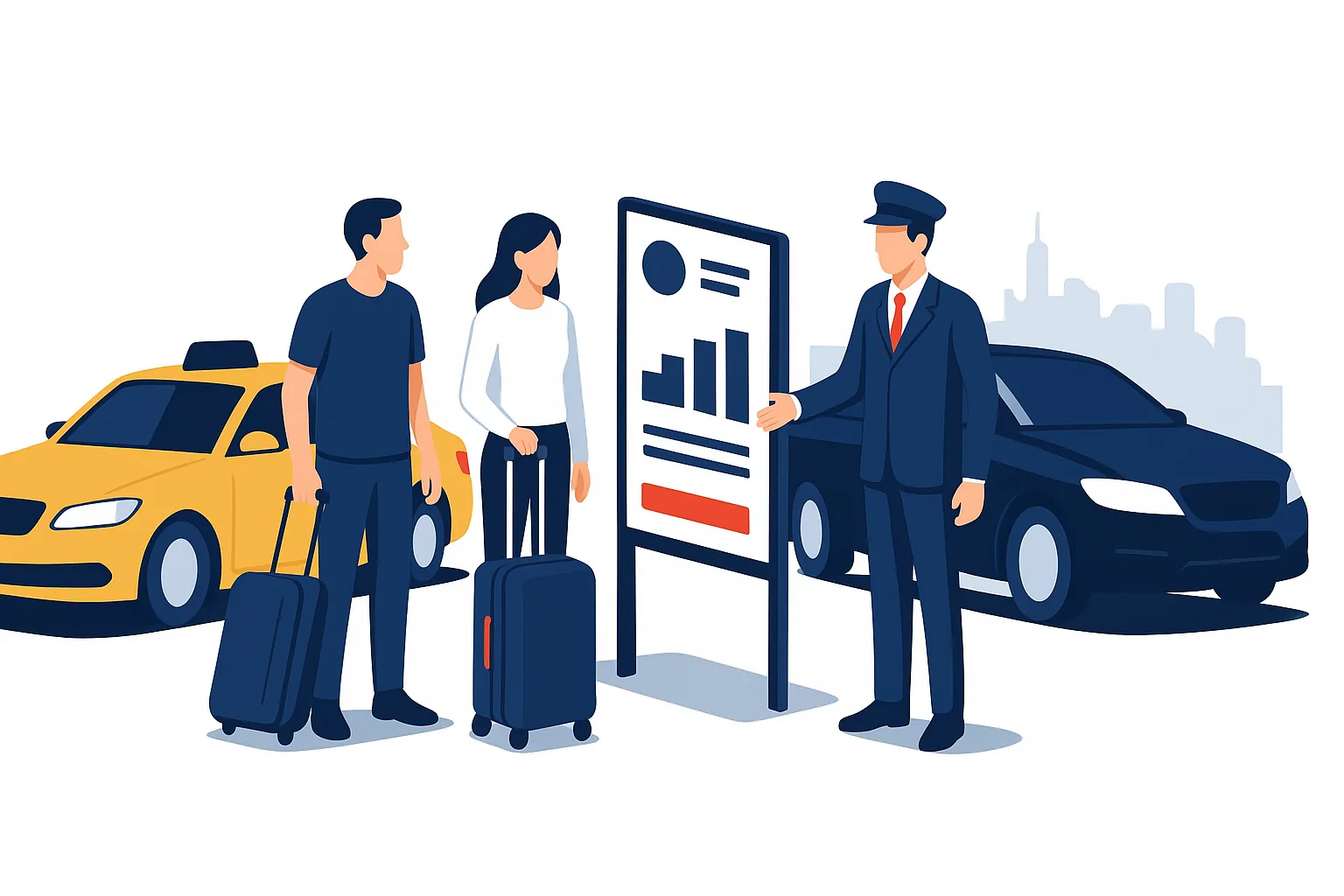
Choosing the right transport mode is a practical balance among price transparency, convenience, and reliability. Yellow cabs offer curbside pickup and meter-based fares; rideshares provide app-based booking with fare estimates; shared airport shuttles are cost-effective for solo travelers or budget-conscious groups but add stops and time; and private transfers deliver a booked vehicle and driver at a known pickup spot and often a fixed price for the trip.
Consider these decision factors: the importance of arriving on schedule, the size of your party and luggage, whether you prioritize door-to-door service, and how comfortable you are with price variability due to traffic. For some travelers, a prebooked private car offsets the potential for a high metered fare and the stress of locating a vehicle after a long flight.
When a private transfer makes more sense
Private transfers can be more efficient for groups, families, and business travelers with tight schedules or large luggage. They remove the uncertainty of meters and can include meet-and-greet service in the terminal. If you prefer an allocated vehicle waiting for you and a clear line item price for the trip, a private transfer is often worth comparing against the taxi alternatives.
How tolls and surcharges change taxi bills
Tolls for bridges and tunnels between the airport and Manhattan are usually added on top of fare components and can meaningfully increase the total paid at the end of a ride. Some services include tolls in a quoted price, while others add them as a separate line on the meter or in the app charge. Check whether a quoted fixed price includes tolls and airport surcharges, especially for private transfer quotes.
Ask drivers or operators which crossings they plan to use. In some situations, a slightly longer route with fewer or lower tolls may be faster and cheaper overall, depending on traffic. This nuance is important to discuss when you prebook or when confirming your pickup at the airport curb.
Payment methods, tipping, and receipts
Most taxis accept cash and card; rideshares and private transfers accept cards or digital payment inside the app. If you need an invoice for business expense reporting, request it at the end of the trip or through the operator’s customer service. Tipping culture is an additional consideration for travelers: plan for customary gratuity practices and whether you will pay in cash or add it to the credit card charge.
Keep receipts for expense claims and disputes. For metered taxi trips, the receipt normally shows the breakdown. For prebooked transfers, ask for a confirmation with included items so you can validate tolls or extra charges later if needed.
Timing your arrival and pickup at JFK
At JFK, different terminals have designated taxi ranks and rideshare pickup points. Allow time to clear immigration, collect luggage, and reach the pickup area. If you prebook a private transfer, confirm the meeting point in the terminal and whether the driver will wait inside the arrivals hall or at the curb. For app-based pickups, follow the app’s instructions to the correct pickup zone to avoid delays.
Airport queues, peak arrivals, and wait times
Arrival peaks can create queues for taxis and longer waits for shuttle services. If your flight arrives during a major event or peak period, be prepared for longer times to access a vehicle. Prebooking a private transfer typically reduces wait time, but always confirm the operator’s contingency plans for late flights or delays.
Common mistakes travelers make when budgeting for an airport taxi
Travelers often underestimate delays caused by traffic, assume tolls are included, or forget to account for luggage or extra stops. Another common mistake is relying solely on ride-estimate apps without understanding how surge pricing or meter-based delays can change the final charge. Planning and asking the right questions before you step into a vehicle prevents surprises.
Decision checklist before choosing a vehicle
- Confirm whether quoted prices include tolls and airport surcharges.
- Consider total door-to-door time, not just travel distance.
- Think about luggage volume and passenger comfort.
- Decide if you need an invoice or receipts for expense reports.
- Check accessibility features if required.
How to compare options and request current pricing
Because posted fares and tolls change over time, the best approach is to request current pricing from reliable providers. Use the official regulator page for baseline taxi fare rules and surcharges, and when comparing private transfers, request a quote that explicitly lists tolls, waiting time, and meet-and-greet fees. For a quick way to check transfer options and request a quote tailored to your arrival, you can visit our airport transfers page for bookings and assistance: Transfers.
For the official rules on taxi fares, surcharges, and regulated flat fares in New York, consult the official NYC Taxi and Limousine Commission (TLC) page to verify current fares and policies: NYC TLC taxi fare. Use the TLC resource as your authoritative reference for what the regulations require.
Practical tips for first-time visitors to New York
First-time visitors should plan for Manhattan traffic, be clear about pickup points, and keep identification and payment methods handy. If language barriers or unfamiliarity with the local transit system make you uneasy, a prebooked private transfer can reduce stress. If you prefer flexibility and lower cost risk during off-peak times, app-based rideshares or taxis may work fine.
Make a simple travel checklist: confirm terminal pickup locations, check if your hotel offers an arrival transfer, verify whether your travel card works for local payment, and keep the name and contact of your transfer provider accessible in case of delays.
Perguntas frequentes
Below are common questions travelers ask about taxis between JFK and Manhattan. These answers focus on practical guidance and help you prepare for your arrival.
1. Is there a flat fare from JFK to Manhattan?
Regulatory authorities sometimes set flat fares for specific airport-to-zone trips. Whether a flat fare applies can change, so check the official regulator page linked earlier or ask your transfer provider for confirmation. Even with a flat fare, tolls and certain surcharges may still be added.
2. Should I prebook a private transfer or take a taxi on arrival?
Prebooking reduces uncertainty and wait time and is often preferable for groups, families, or travelers on a tight schedule. Taking a taxi on arrival provides flexibility and immediate access, but it exposes you to meter-based variability. Consider the value of predictability versus flexibility for your itinerary.
3. How do tolls get charged for airport trips?
Tolls are generally added to the fare or charged separately depending on the service. Private transfers sometimes include tolls in the quoted price; taxis and rideshares often add tolls to the meter or app charge. Ask the operator for clarification when you book.
4. Can I get a receipt for a taxi or private transfer?
Yes. For official expense reporting, request a receipt at the end of the trip. Taxis issue a receipt that shows the breakdown; private transfer operators typically email an invoice or provide one on request. Keep documentation for reimbursements.
5. What should I do if my flight is delayed?
If you prebooked a private transfer, inform the operator of your new arrival time so they can adjust pickup. Many operators monitor flight status and will hold or reschedule pickup within their terms. If you plan to take a taxi on arrival, expect to join the taxi queue as usual; allow extra time and confirm your schedule with your hotel or onward contact.
Conclusion and next steps
Deciding how to travel from JFK to Manhattan depends on how much predictability you want, the size of your party and luggage, and how tolerant you are of traffic-driven pricing. To verify current taxi regulations and fare components, check the official TLC page. When you need a clear quote or want help comparing options, Airports2Hotel can support your planning and booking for a smooth airport-to-hotel transfer.
Ready to plan your transfer? Use our booking tools and request a tailored quote to compare taxis, rideshares, and private transfer options for your arrival: Airports2Hotel is here to help with reliable transfer options and practical travel advice consistent with the latest local rules and fares.
Note: Fare values and policies change periodically. Do not rely on example prices you might see in older articles. For the most accurate, up-to-date official information about taxi rules and fares, refer to the NYC TLC resource linked above and request a current quote through our Airport Transfers page when planning your trip.