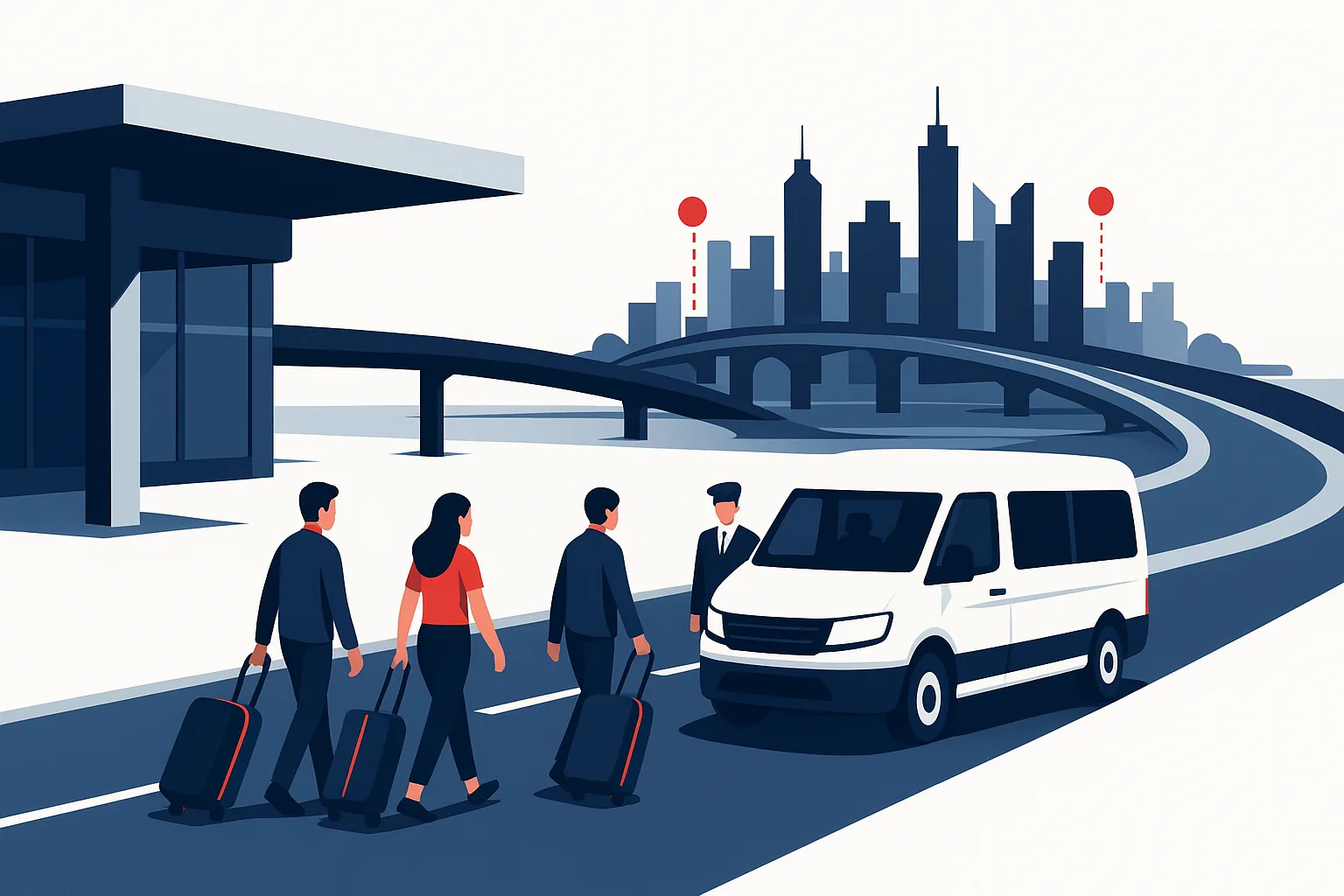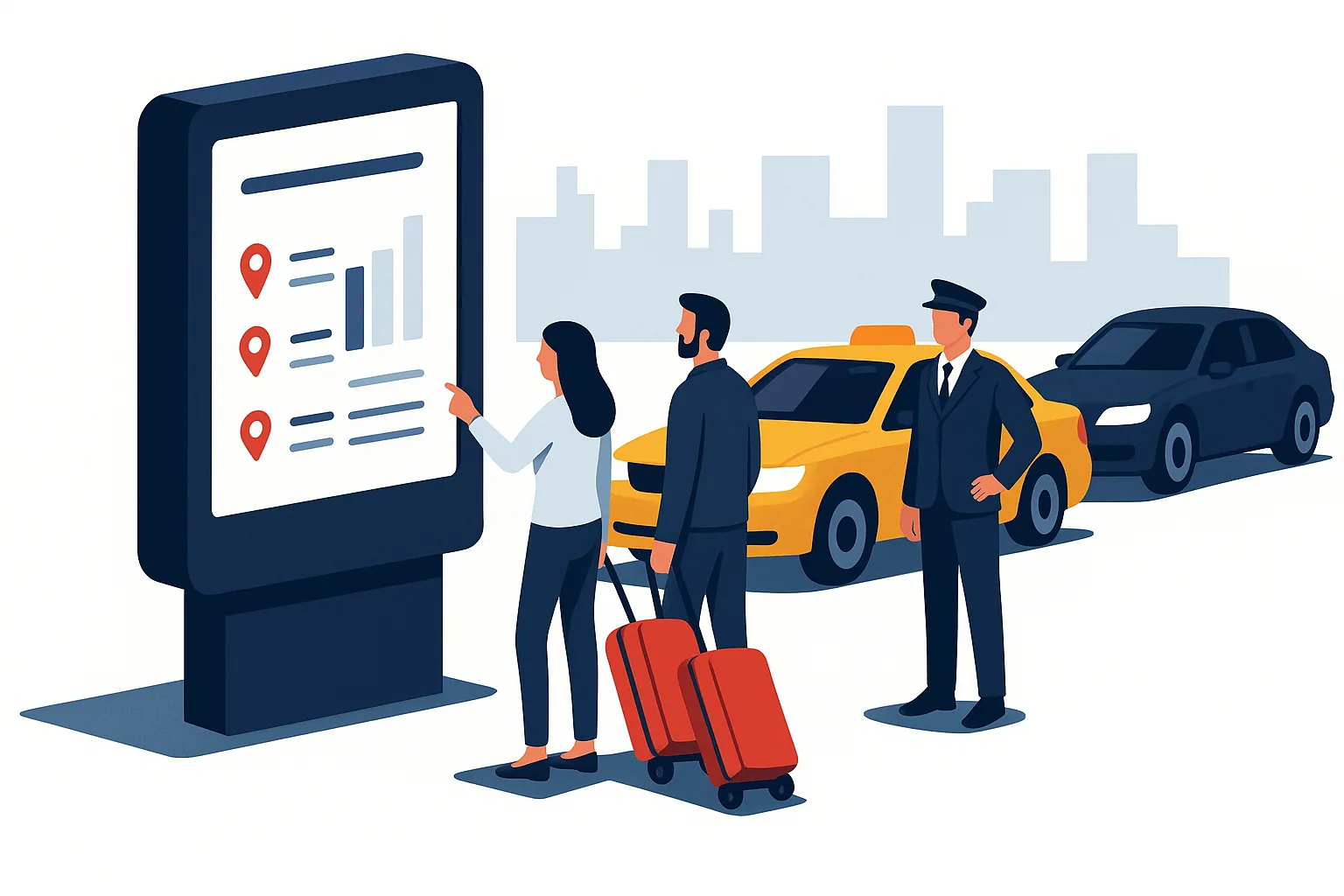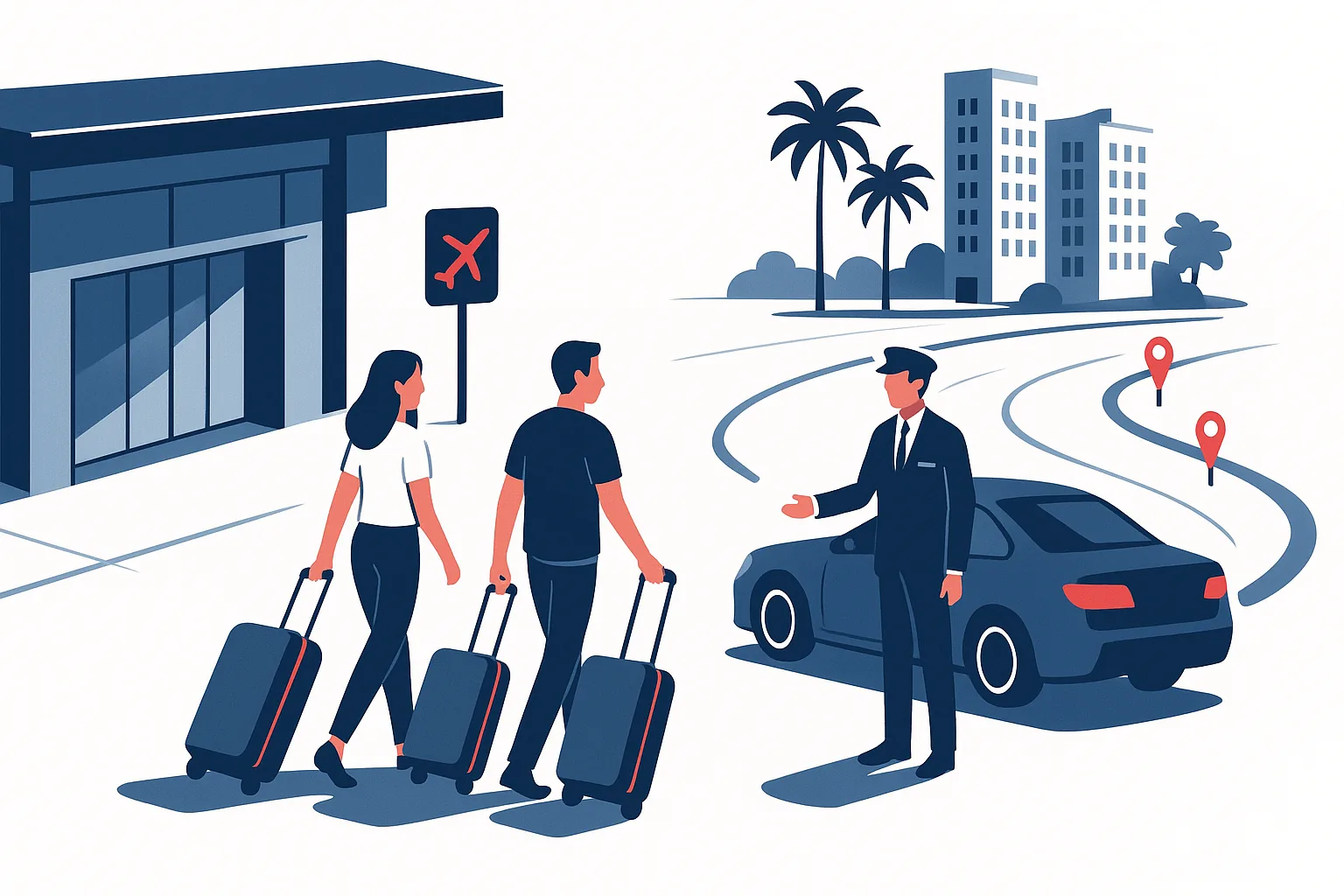


Uber vs taxi in Miami is a frequent question for arrivals, especially when travelers must move efficiently from Miami International Airport (MIA) to hotels, beaches, and downtown destinations. Choosing between rideshare and a traditional taxi affects pickup logistics, luggage handling, payment methods, and how quickly you reach your final address. This guide breaks down the decision factors with an emphasis on airport-to-hotel transfers, hotel pickup rules, and practical advice for families, business travelers, and first-time visitors.
Uber vs taxi in Miami
Start by framing the trip you are planning: are you arriving at MIA and heading to a downtown hotel, South Beach, or a private residence? The right choice depends on the terminal pickup process, how much luggage you have, whether you prefer cashless payment, and your tolerance for potential surge or peak pricing. We focus first on airport logistics and then move to downtown and beach transfers, comparing reliability, accessibility, and convenience.
How Miami airport pickups work
Miami’s airports use designated pickup zones for taxis and rideshare drivers. At busy times you’ll likely encounter lines for taxis and app-based queues for rideshare. Make sure you follow the posted signs in the arrivals area and any instructions from airport staff. If you need step-by-step assistance with official rules or vehicle access points, check the local transportation authority for the latest guidance.
For official local regulations and maps of pickup zones consult the Miami-Dade Transportation site for current procedures and any temporary changes that can affect your route planning. Miami-Dade Transportation maintains authoritative notices about curbside operations and permitted pick-up locations.
Airport-to-hotel: what matters most
- Ease of meeting your driver at the terminal
- Luggage capacity and trunk space
- Payment and receipt options for expense reports
- Driver knowledge of hotel drop-off areas and valet procedures
- Accessibility needs and vehicle type availability
When you land, the first practical requirement is a smooth handoff: taxi stands are often right outside arrivals and are regulated, while rideshare pickups typically require waiting at a designated curbside area or an app-specific pickup zone. Hotels near the airport and major downtown properties usually have established drop-off and pickup areas; confirming those in advance can save time and avoid unnecessary walking with luggage.
Comparing availability and wait time
In Miami, taxis and rideshares are both common, but their availability varies by neighborhood and time of day. Taxis have dedicated queues in the arrivals terminal, which can be quicker when many flights land at once and rideshare app traffic spikes. Rideshare apps can be faster when demand is moderate and the app dispatches a nearby driver immediately.
During peak hours, rideshare apps can experience high demand and longer ETAs; taxis may have shorter lines during scheduled disembarkations or if several flights land together. If time is critical, consider which option typically has shorter waits at your arrival terminal and factor in the time it takes to collect luggage and clear customs.
Payment, receipts, and expense reporting
Payment method matters for business travelers. Rideshare apps provide electronic receipts and easy corporate-account management, which simplifies reimbursement. Taxis in Miami accept cash and major cards and will provide paper receipts; keep in mind that some taxis may offer digital receipts via email or text, but policies can vary.
If you need a clear record for expense reports, the app-based rideshare receipt is often more standardized. For taxis, request a receipt at the end of the trip and confirm the details before you leave the vehicle, especially for longer transfers or airport-to-hotel runs that will require reporting.
Luggage, vehicle types, and family travel
Travelers with lots of luggage, strollers, or sports equipment should confirm vehicle size before booking. Rideshare apps allow riders to request larger vehicles like XL or SUVs; taxis vary in size but many airport taxis are sedans and larger vehicles may be available on request. If you travel with a family and need a car seat, confirm local child restraint rules and whether your vehicle provider can accommodate booster seats or child seats.
When transporting bulky items, a private pre-booked transfer with a guaranteed vehicle size can remove last-minute uncertainty. That option is often visible in apps or through private transfer platforms and can be useful when heading to a beachfront hotel where getting in and out quickly is a priority.
Hotel pickups and drop-off practicalities
Many Miami hotels have curbside policies, valet zones, or specific drop-off points that drivers must follow. Drivers familiar with hotel procedures save you time, but if you’re staying at a smaller boutique property or a beachfront rental, clarify the nearest legal pickup point with your accommodation before requesting a ride.
If you plan to request a pickup from a busy tourist area like South Beach, check whether your hotel allows rideshare drivers to enter private driveways or if you’ll need to meet the vehicle at a public curb. This can affect the final leg of travel and how quickly luggage can be moved to your room.
Safety, driver verification, and license checks
Rideshare apps provide driver profiles and vehicle information before pickup, helping you confirm your driver’s name, vehicle make, and license plate. Taxis operating under city regulations must display driver identification and a medallion number; don’t hesitate to ask for identification if anything seems unclear. For both options, confirm the vehicle and driver details before entering and share trip status with a contact if you travel alone or during late hours.
Accessibility and special needs
If you have mobility needs or require wheelchair-accessible vehicles, check availability in advance. Rideshare apps may offer wheelchair-accessible vehicle (WAV) options in certain markets, but availability can be limited. Taxis regulated by the local authority may have accessible units dispatched through a city dispatch line. For guaranteed accessibility, coordinate with your hotel or a private transfer service before arrival.
When to choose a taxi vs when to choose Uber
Choose a taxi when you need immediate curbside access after disembarkation and there is a visible taxi queue at the terminal. Taxis can also be preferred if you want to pay in cash or require a driver who is authorized to pick up in a specific airport taxi lane.
Choose Uber (or other app-based rideshares) when you value an electronic receipt, want to specify vehicle type in advance, or prefer to track the driver’s arrival on a map. Rideshare is often better for downtown destinations where app navigation can find the best curbside point, and for travelers who want to manage the full transaction on their phone.
Factors that push the decision either way
- Time of day and traffic congestion
- Luggage and passenger count
- Need for a receipt or corporate reporting
- Local pickup and drop-off regulations
- Accessibility and special equipment needs
Balance these factors when you choose between Uber and a taxi. For example, a late-night arrival with minimal luggage might favor an app dispatch, while a family with car seats might opt for a pre-arranged vehicle or a taxi willing to accommodate special equipment.
Common mistakes travelers make
One common mistake is not checking the designated pickup points at the airport or hotel, which causes extra walking or missed pickups. Another is assuming all vehicles will accept oversized luggage without confirming vehicle type. Also, travelers sometimes fail to verify driver details and vehicle plates before entering, which is a basic safety check.
Finally, relying solely on anecdotal price expectations can be misleading. Rideshare pricing can fluctuate with demand; taxis are subject to regulated fares in some markets. If pricing affects your choice, confirm current policies and official fare structures with the local authority before you travel.
How to plan an airport transfer step-by-step
- Confirm your terminal and the designated pickup point for your chosen service.
- Collect luggage and clear customs—allow extra time during peak arrivals.
- Open your rideshare app or walk to the taxi stand, following posted instructions.
- Verify driver name, vehicle make, and license plate before getting in.
- Share trip details with someone if traveling alone or late at night.
This simple checklist reduces unexpected delays and increases predictability, particularly at busy airports or when traveling with a group.
Best practices for hotel and beach transfers
If your final destination is a hotel or a beach neighborhood like South Beach, ask the reception whether drivers may enter the property or must use a nearby public curb. Some hotels will meet you curbside or send a porter to assist; others will require that pickups occur on a parallel street. Knowing this detail ahead of time saves carrying bags across busy roads or waiting long periods.
For beach transfers, factor in traffic and seasonal events that can make short trips much longer than anticipated. If you have a tight schedule, consider booking a private transfer or allowing extra time when arranging airport pickups.
FAQ: Common traveler questions
Below are concise answers to frequent questions about rideshares and taxis in Miami.
Q: Are rideshare drivers allowed to pick up at the airport?
A: Yes, rideshare drivers operate at Miami airports but must use designated pickup locations and follow airport rules. For the most current pickup zone information consult the local transportation authority linked earlier.
Q: Can I pay a taxi with a card?
A: Many taxis accept cards and some issue digital receipts, but payment options can vary. If card payment is essential, confirm with the driver before the trip or choose an app-based service that confirms payment by default.
Q: What should I do if my driver takes a longer route?
A: If you suspect an unusual detour, politely ask the driver about the route. For app-based services, you can review the route in the app and contact support if needed. For taxis, note the taxi number and request a receipt to report concerns to the local taxi regulator.
Q: Is tipping expected?
A: Tipping practices vary by traveler preference and local custom. Riders often tip for good service or help with heavy luggage. If tipping matters to you, have a plan for cash or use the tip options available within the rideshare app.
Q: How can I ensure a vehicle large enough for my group?
A: On rideshare apps, select the larger vehicle option (such as XL or an SUV) before confirming the ride. For taxis, ask the dispatcher or driver about vehicle capacity, or pre-book a private transfer if you require guaranteed space.
Additional resources and official guidance
For authoritative details on regulations, curbside policy, and any seasonal changes affecting pickups, consult Miami-Dade Transportation. That site is the best source for official notices that can affect where and when drivers can meet passengers at the airport and public roads. Miami-Dade Transportation is useful if you need to check updated rules before travel.
If you want guidance on common travel questions or additional planning tools, see our FAQ page for broader transfer planning tips and service comparisons: Airport transfer FAQ.
Final recommendations and decision checklist
- If you prioritize predictable receipts and corporate tracking, favor rideshare apps.
- If you need the fastest curb access at a busy terminal, a regulated taxi queue can be advantageous.
- For families with car seats or heavy luggage, pre-booked larger vehicles or private transfers reduce uncertainty.
- Check pickup points and hotel curb policies before requesting your ride to avoid confusion.
Use this checklist to make a decision based on your priorities: speed, documentation, luggage, or accessibility. Each trip is different, and planning one step ahead often saves time and stress on arrival.
Conclusion and call to action
Deciding between Uber and a taxi in Miami comes down to your arrival circumstances and personal priorities. Prioritize understanding airport pickup points, vehicle size needs, and receipt requirements to choose the most practical option. When you plan ahead, you reduce waiting time and improve the first impression of your trip.
If you would like help comparing transfer options for your specific arrival time, hotel, or family needs, Airports2Hotel can assist in planning and booking reliable airport-to-hotel transfers. Use our resources and the official Miami-Dade transportation pages to confirm current pickup zones and regulations before you travel.
Safe travels, and remember: clear communication with your driver and a brief check of local pickup rules will make your arrival in Miami smoother.