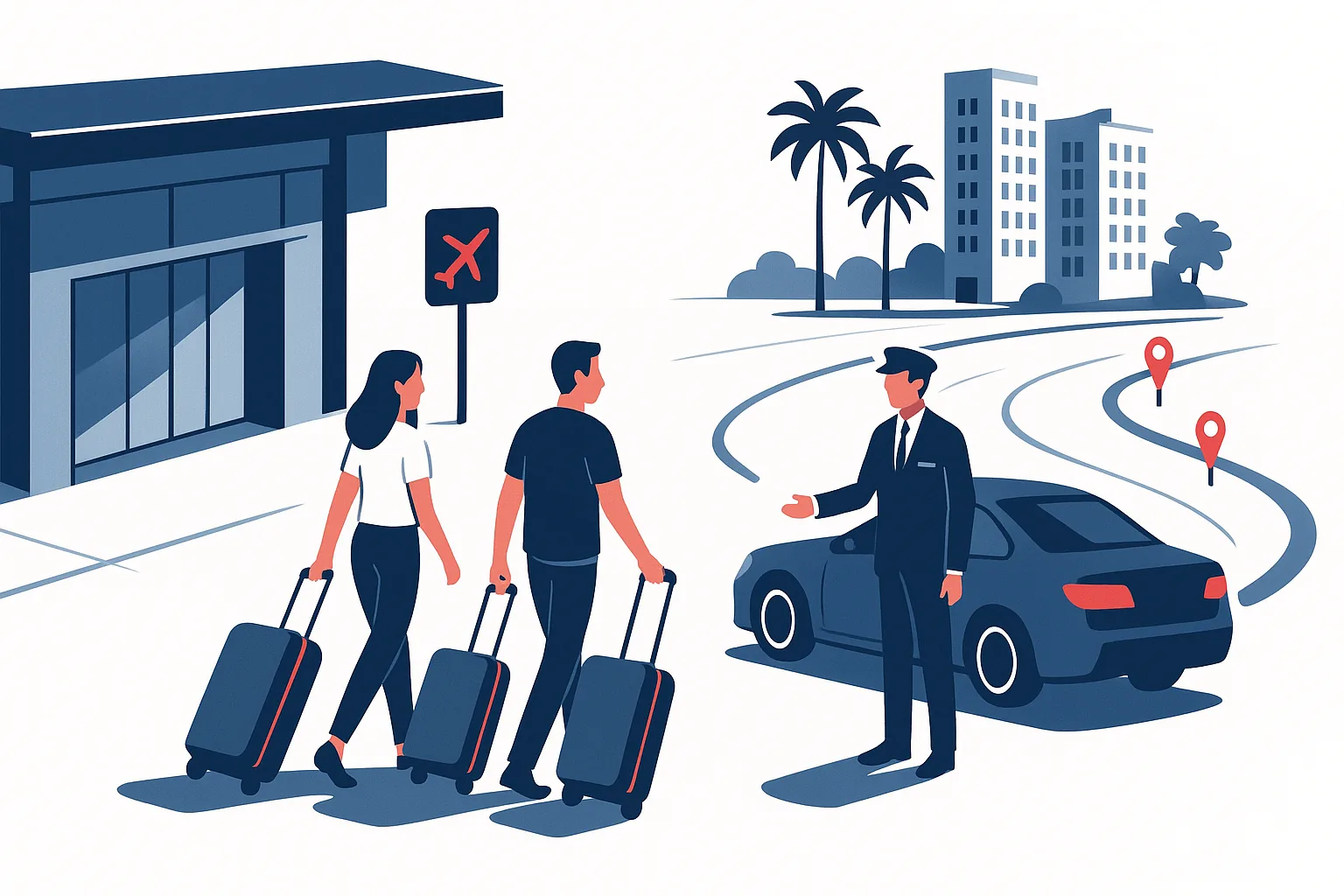


Knowing the right airport arrival tips can be the difference between a smooth, stress-free departure and a chaotic rush to the gate. Airports are complex environments — and for travelers who don’t navigate them regularly, the process from curb to boarding can feel overwhelming. Understanding exactly what to expect, in what order, and where common mistakes happen transforms the airport experience entirely.
Furthermore, airports vary significantly in size, layout, and process. A regional airport and a major international hub operate very differently — and the strategies that work in one may not apply in the other. This guide covers the essential airport arrival tips that apply across all airport types, helping every traveler move efficiently from arrival to departure with total confidence.
How Early Should You Arrive at the Airport?
Arrival time is the single most important decision you make on departure day. Arriving too late creates panic and risks missed flights. Arriving too early wastes time and creates unnecessary fatigue before a long journey. The right arrival window depends on several key factors.
Domestic Flights
For domestic flights, arriving 90 minutes to two hours before departure is generally sufficient. This window allows time for check-in, security screening, and reaching your gate — with a comfortable buffer for unexpected queues. However, if you are traveling during peak periods — holidays, summer weekends, or major events — extend this to two and a half hours to account for higher passenger volumes.
International Flights
International flights require significantly more time. Arriving three hours before departure is the standard recommendation for most international routes. This accounts for longer check-in queues, additional document verification, passport control, customs pre-clearance at certain airports, and the possibility of more distant gates in larger terminals.
At major hub airports — such as Dubai International, London Heathrow, or Los Angeles International — three hours can disappear quickly during peak travel periods. Therefore, when in doubt, arrive earlier rather than later. A missed international flight is one of the most expensive mistakes a traveler can make.
Factors That Require Extra Time
Several situations consistently require additional airport arrival time beyond the standard recommendations. These include traveling with young children or infants, checking multiple or oversized bags, traveling with mobility limitations, flying from an unfamiliar airport for the first time, or traveling during major public holidays. If any of these apply to your trip, add at least 30 to 45 additional minutes to your arrival window.
Step-by-Step Airport Arrival Process
Understanding the sequence of steps from airport arrival to boarding eliminates the confusion that causes most travel stress. Here is the complete process — in order — for a typical international departure.
Step 1 — Drop-Off or Parking
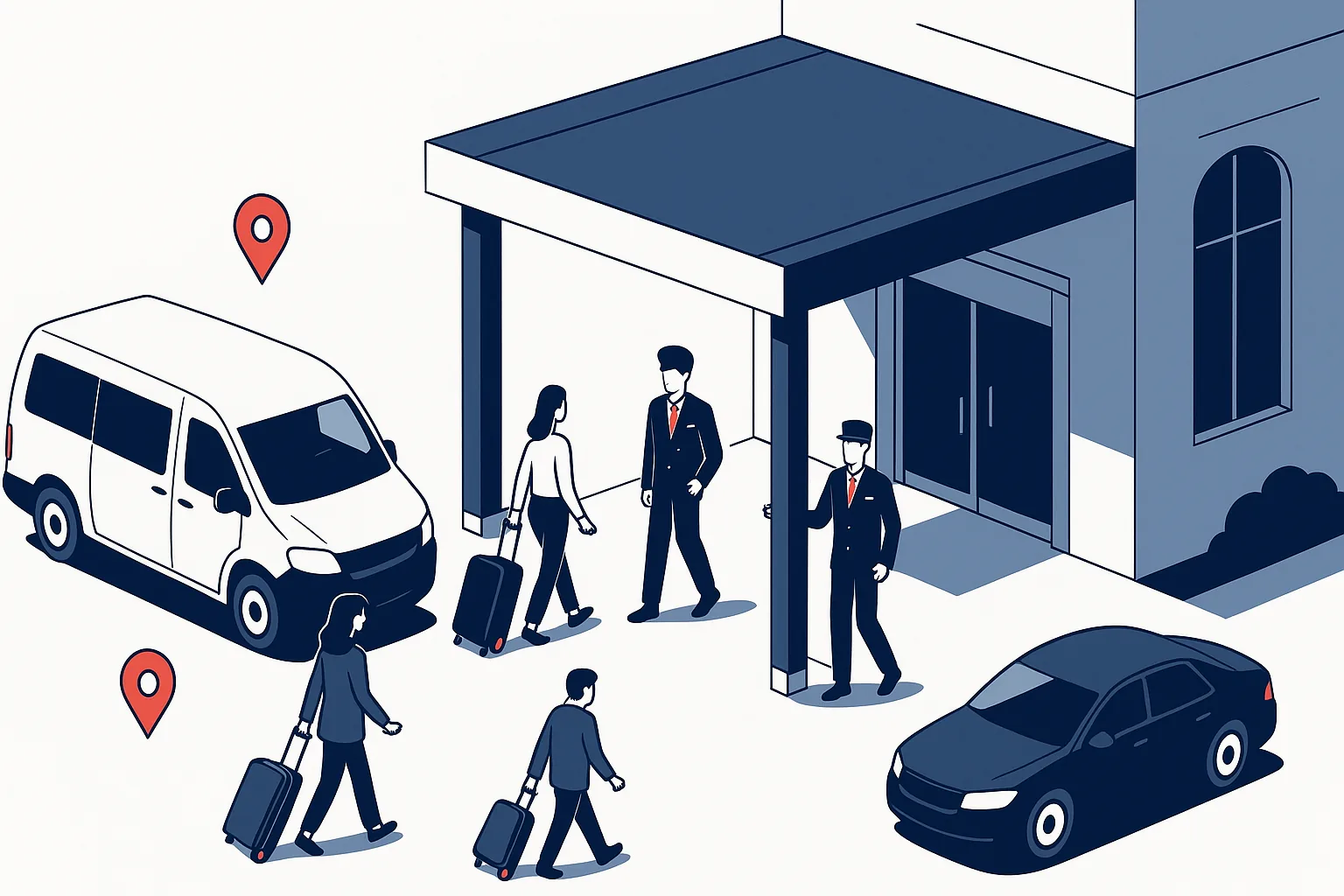
Your airport journey begins the moment you arrive at the terminal. If someone is dropping you off, confirm in advance which terminal and which departures entrance corresponds to your airline — large airports have multiple terminals that are not always connected internally. Dropping off at the wrong terminal adds significant time and stress.
If you are parking, factor parking time into your overall schedule. Long-term lots often require shuttle transport to the terminal, which can add 15 to 30 minutes. Short-term or garage parking is faster but significantly more expensive. Pre-booking parking eliminates uncertainty and is almost always cheaper than paying on arrival.
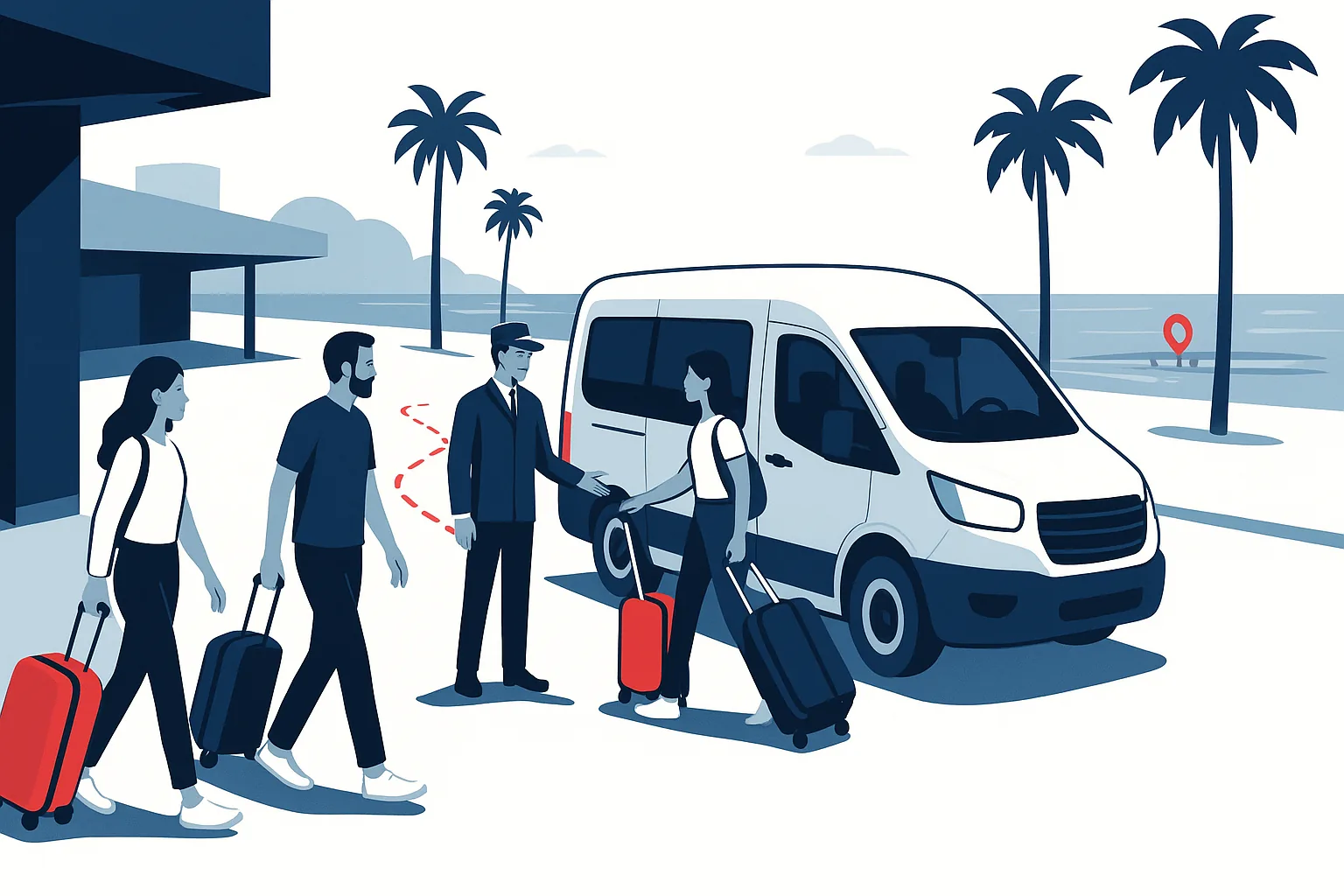
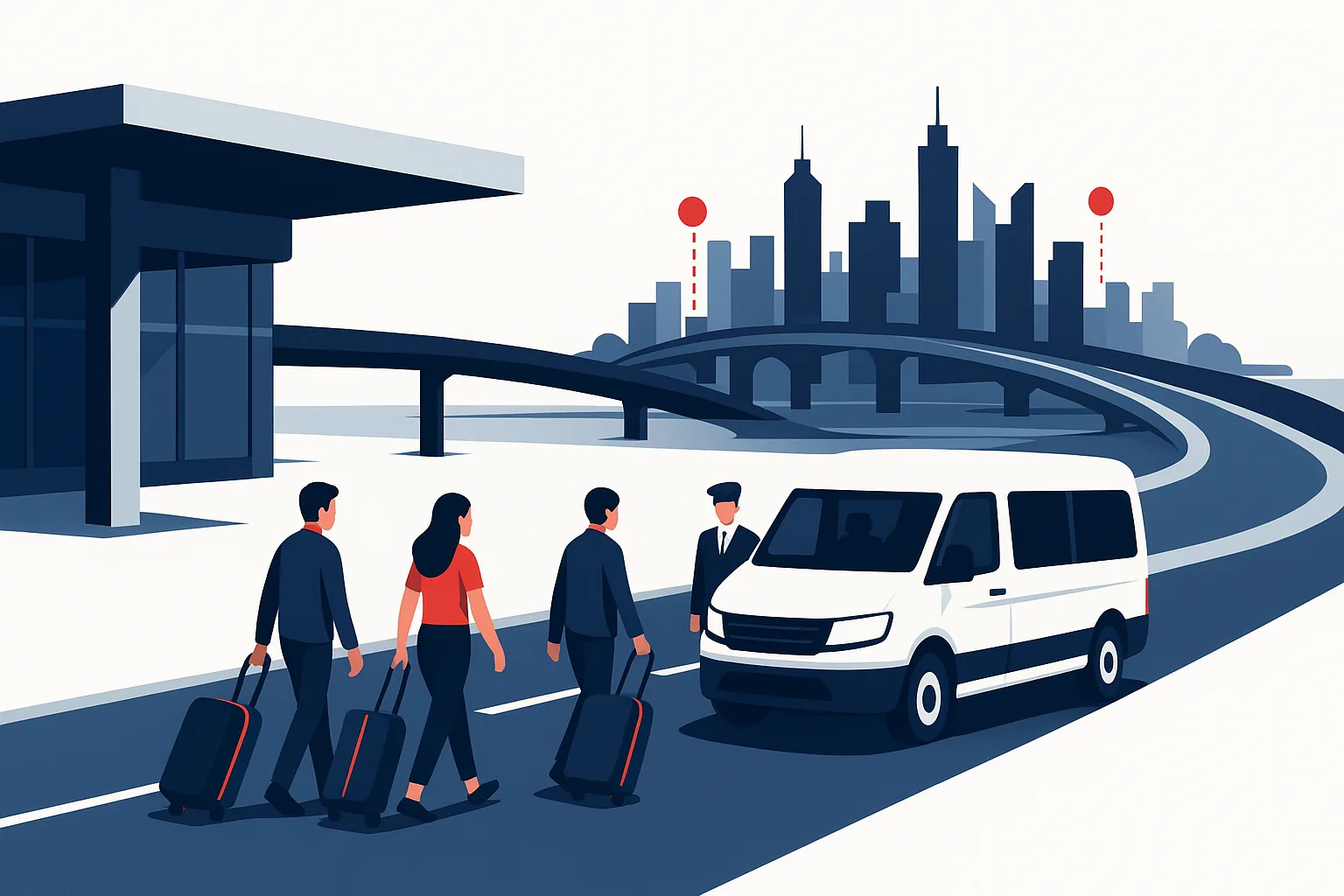
For travelers arriving by pre-booked private transfer — the most efficient arrival option — your driver drops you directly at the correct departures entrance with no parking or navigation concerns. The Airports2Hotel private transfer service covers both airport arrivals and departures, ensuring a seamless start to your journey in both directions.
Step 2 — Check-In
Check-in is your first formal interaction with your airline at the airport. Most airlines offer three check-in options: online check-in via app or website, self-service kiosks at the airport, and staffed check-in counters. Understanding which option works best for your situation saves significant time.
Online check-in opens 24 to 48 hours before departure for most airlines. Completing it in advance means you arrive at the airport with your boarding pass already secured — and if you have no bags to check, you can proceed directly to security. This is one of the most impactful airport arrival tips for travelers who want to minimize time at the airport.
If you need to check bags, proceed to the bag drop counter — a faster process than full check-in since your boarding pass is already issued. At staffed counters, airlines verify your travel documents, weigh your luggage, and issue bag tags. Have your passport and any required visa documentation ready before reaching the counter to avoid holding up the queue.
Step 3 — Baggage Drop and Fees
If you are checking luggage, be aware of your airline’s baggage policy before arriving at the airport. Oversized or overweight bags attract fees — and paying these at the counter is always more expensive than pre-paying online. Furthermore, some budget airlines have strict carry-on size and weight limits that are only enforced at the gate, creating last-minute stress and unexpected costs.
Weigh your bags at home before departure using a portable luggage scale. This simple habit eliminates one of the most common and avoidable sources of airport stress. If your bag is borderline, redistribute weight between bags or into your carry-on before leaving home — not at the check-in counter in front of a queue.
Step 4 — Security Screening
Security screening is consistently the most time-consuming and unpredictable stage of the airport arrival process. Queue times vary enormously based on time of day, airport size, and passenger volume. Knowing how to move through security efficiently — and how to avoid the most common triggers for additional screening — saves significant time.
Before reaching the security checkpoint, prepare in advance. Remove laptops and large electronics from your bag and place them in a separate tray. Remove belts, watches, and metal accessories. Place liquids — in containers of 100ml or less, inside a clear zip-lock bag — in an easily accessible outer pocket. Wear shoes that slip on and off quickly. These small preparations prevent the bottlenecks that slow down the entire queue.
In addition, if you travel frequently, consider enrolling in a trusted traveler program. Programs such as TSA PreCheck in the United States, Global Entry for international arrivals, or equivalent programs in other countries provide access to dedicated fast-track security lanes. The time saved across multiple trips more than justifies the enrollment fee.
Step 5 — Passport Control (International Departures)
For international flights, passport control follows security screening. Officers verify your passport, visa, and boarding pass before allowing you to proceed to the international departures area. Have all documents ready before reaching the booth — searching through your bag while holding up the queue creates unnecessary friction.
Answer questions clearly and concisely. Common questions include your destination, the purpose of your visit, and how long you plan to stay. Carry your hotel confirmation and return ticket digitally or in print — officers occasionally ask to see them at this stage as well.
Step 6 — Finding Your Gate
After clearing security and passport control, locate your departure gate immediately. At large airports, gates can be a significant distance from the security exit — sometimes requiring shuttle buses or inter-terminal trains. Allow more time than you think you need, especially at unfamiliar airports.
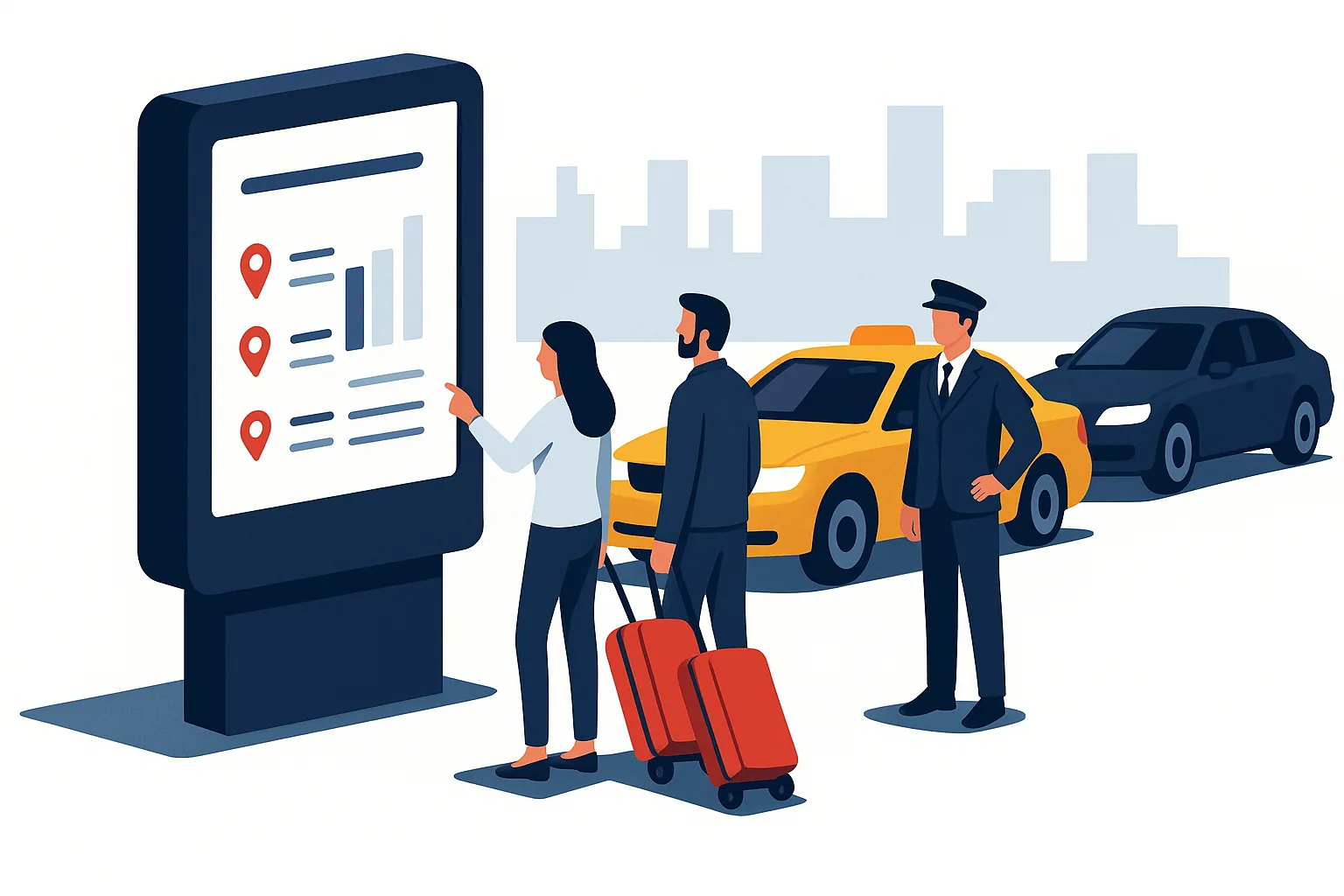
Check the departure boards as soon as you enter the departures area — gates are sometimes changed or updated after boarding passes are issued. Following the gate on your boarding pass without checking the boards first is a common mistake that causes missed flights at large hub airports.
Once you locate your gate, note the boarding time — not the departure time. Boarding typically begins 30 to 45 minutes before departure and closes 10 to 15 minutes before the scheduled flight time. Being at your gate before boarding begins is always the safest approach.
What to Do During the Wait at the Airport
Once you are through security and at your gate, the waiting period offers more options than most travelers realize. Using this time well reduces travel fatigue and improves your overall journey experience.
Airport Lounges
Airport lounges offer a dramatically different experience compared to the general departures area. Access is available through business or first-class tickets, frequent flyer status, premium credit cards, or day passes purchased at the lounge entrance. Benefits typically include comfortable seating, complimentary food and drinks, reliable Wi-Fi, shower facilities, and a significantly quieter environment.
For travelers on long international routes, spending the pre-departure wait in a lounge rather than a crowded gate area meaningfully reduces fatigue before a long flight. If your credit card includes lounge access benefits, verify which lounges are covered at your departure airport before arriving.
Currency Exchange and ATMs
If you need local currency at your destination, avoid exchanging money at airport currency exchange counters — the rates are consistently poor and the fees are high. Instead, use an ATM at your destination airport to withdraw local currency at the interbank exchange rate. Alternatively, use a travel-friendly debit or credit card with no foreign transaction fees.
If you must exchange currency before departure, compare rates at multiple counters and always ask for the total amount you will receive — after all fees — before agreeing to the exchange. The advertised rate and the effective rate after fees are rarely the same.
Duty-Free Shopping
Duty-free shopping is available at most international airports after passport control. While genuine savings exist on certain products — particularly alcohol, perfumes, and luxury goods — not everything in duty-free is cheaper than retail prices at your destination. Compare prices in advance for items you plan to purchase.
Furthermore, be mindful of liquid restrictions if your journey involves a connecting flight. Duty-free liquids purchased at one airport may be confiscated at the security checkpoint of a connecting airport if they are not in the original sealed bag with a receipt. Check the transit rules of your connecting airport before making liquid purchases.
Common Airport Arrival Mistakes and How to Avoid Them
Even experienced travelers make airport mistakes. These are the most common errors — and the practical strategies that prevent each one.
- Arriving too late: The most consequential mistake. Build your schedule around the airport, not the other way around. Always add buffer time for traffic, parking, and unexpected queues.
- Going to the wrong terminal: Always verify your terminal at booking confirmation and again the day before departure. Large airports have multiple terminals that are sometimes not connected.
- Forgetting documents at check-in: Have your passport, boarding pass, visa, and travel insurance ready before reaching the check-in counter — not inside a bag you need to search through.
- Packing prohibited items in carry-on: Liquids over 100ml, sharp objects, and certain electronics can cause delays or confiscation at security. Check your airline’s carry-on policy before packing.
- Not checking the departure board: Gate changes are more common than most travelers realize. Always verify your gate on the departure board after clearing security — do not rely solely on your boarding pass.
- Leaving the gate area without tracking the boarding call: Shopping or dining far from your gate is fine — but set a reminder to return before boarding begins. Missing the boarding call because you were browsing duty-free is entirely preventable.
- Overlooking connection times: If your itinerary includes a connecting flight, verify that your connection time is realistic — particularly at large hub airports where terminals are far apart. A minimum connection time of 60 to 90 minutes is advisable for international connections.
Airport Arrival Tips for First-Time International Travelers
First-time international travelers face a steeper learning curve than those who travel regularly. These targeted airport arrival tips address the specific challenges that first-time travelers encounter most frequently.
Research Your Airport in Advance
Most major airports publish detailed terminal maps and process guides on their official websites. Reviewing the layout of your departure airport before arrival eliminates the disorientation that slows down first-time travelers. Know where check-in is located, where security is, and approximately how far your typical gate is from the security exit.
Download Your Airline App
Every major airline has a mobile app that provides real-time updates on gate assignments, boarding times, and flight status. Download it before departure day and ensure your boarding pass is saved offline — accessible without an internet connection. This single step eliminates one of the most stressful scenarios: arriving at the airport and being unable to access your boarding pass.
Ask Airport Staff — They Are There to Help
Airport staff are stationed throughout terminals specifically to assist travelers. If you are unsure where to go, uncertain about a process, or confused by signage, ask a staff member immediately rather than wandering and losing time. Large airports in particular employ dedicated passenger assistance teams whose sole purpose is guiding travelers through the terminal.
Planning Your Arrival at the Destination Airport
The airport arrival tips in this guide focus on departure — but the arrival experience at your destination deserves equal preparation. Clearing immigration, collecting baggage, and arranging ground transportation are all processes that benefit from planning in advance.
At most international airports, the immigration and baggage claim process takes between 30 minutes and two hours depending on the volume of arriving flights and the efficiency of the specific airport. Therefore, your ground transportation plan must account for this variability — which is precisely why pre-booked transfers outperform on-demand options at the arrivals stage.
With Airports2Hotel, your driver monitors your flight in real time and adjusts automatically for any delays. Whether you land on time or two hours late, your transfer is ready when you exit arrivals — no waiting, no negotiating with taxi drivers, no uncertainty. For a complete guide to what happens after you land, the Airport to Hotel Transfer guide covers every step of the arrival process in detail.
For official information on airport processes, security regulations, and passenger rights at airports worldwide, the Airports Council International (ACI) is the leading global authority representing airport operators — an authoritative resource for travelers seeking reliable information on airport standards and procedures.
Quick-Reference Airport Arrival Checklist
Use this checklist on every departure day to ensure a smooth airport experience from arrival to boarding.
- Confirm terminal and departures entrance the day before
- Complete online check-in 24 to 48 hours before departure
- Save boarding pass offline on your phone
- Weigh luggage at home and verify carry-on dimensions
- Pack liquids in a clear zip-lock bag in an accessible outer pocket
- Arrive at the airport with sufficient time — 90 minutes domestic, 3 hours international
- Have passport, visa, and boarding pass ready before reaching check-in
- Check departure boards immediately after clearing security
- Note boarding time — not just departure time — and be at the gate before boarding begins
- Confirm ground transportation arrangements at destination airport
Your Journey Starts Before You Board
The best airport arrival tips are the ones that become habits — automatic behaviors that make every departure smoother than the last. Preparation, timing, and knowing the process are the three pillars of a stress-free airport experience. Apply them consistently and the airport stops being a source of anxiety and becomes simply the first stage of every great journey.
Ready to make the arrival at your destination just as smooth? Book your airport transfer at airports2hotel.com and arrive with a verified driver waiting — no stress, no surprises, no wasted time. Have questions before you book? Reach us instantly on WhatsApp, send us an email at Support@airports2hotel.com, or follow us on Instagram and Facebook for travel tips, destination guides, and updates to help you plan smarter every step of the way.